What Is the Fastest Car in the World?
Fast cars excite people everywhere. Which car holds the speed record?or sometimes, What Is the Fastest Car in the World?This question has a clear answer. Three cars fight for the top spot right now.
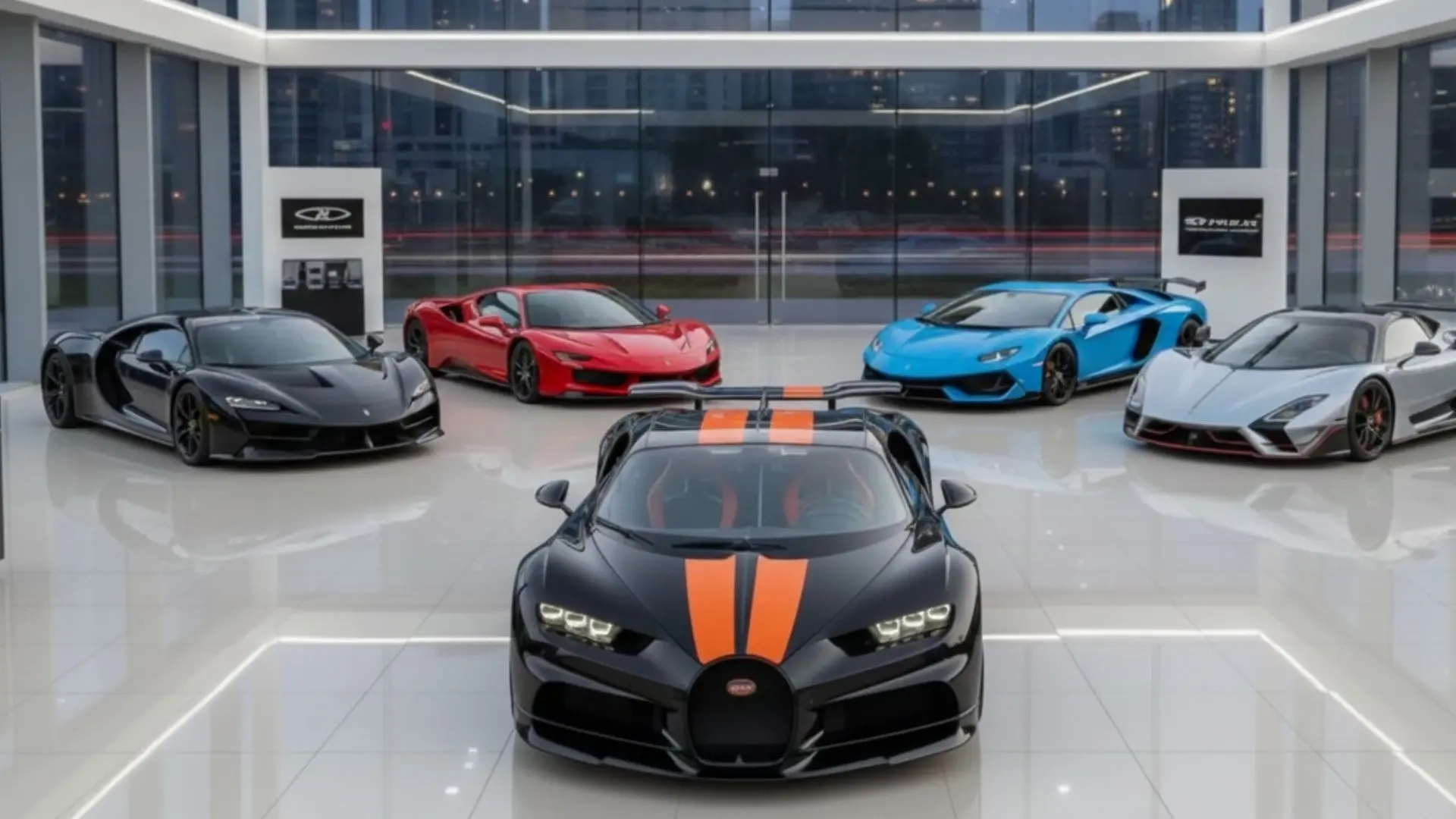
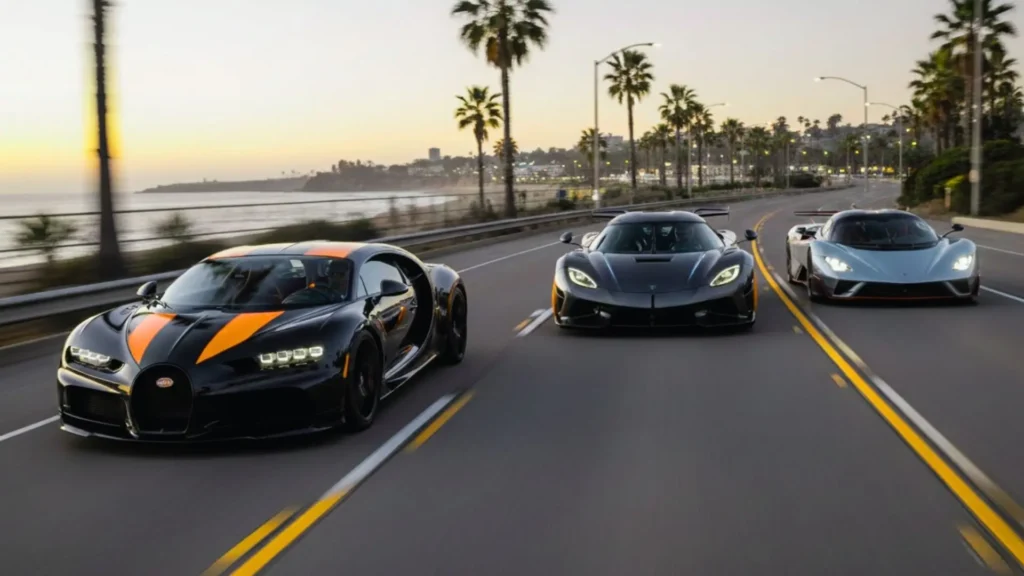
The Bugatti Chiron Super Sport 300+ proved its speed. It hit 304.77 mph on a test track. This is the verified record. The Koenigsegg Jesko Absolut claims it can reach 330 mph. Testing hasn’t happened yet. The SSC Tuatara ran at 295 mph in verified tests.
Speed records need proof. Companies must test their cars properly. Independent groups check the results. This keeps records honest
Top Speed Record Holders
The question is What Is the Fastest Car in the World? The answer is, real speed records need real testing. Let’s look at the fastest cars today.
Koenigsegg Jesko Absolut
This Swedish car targets the highest speed:
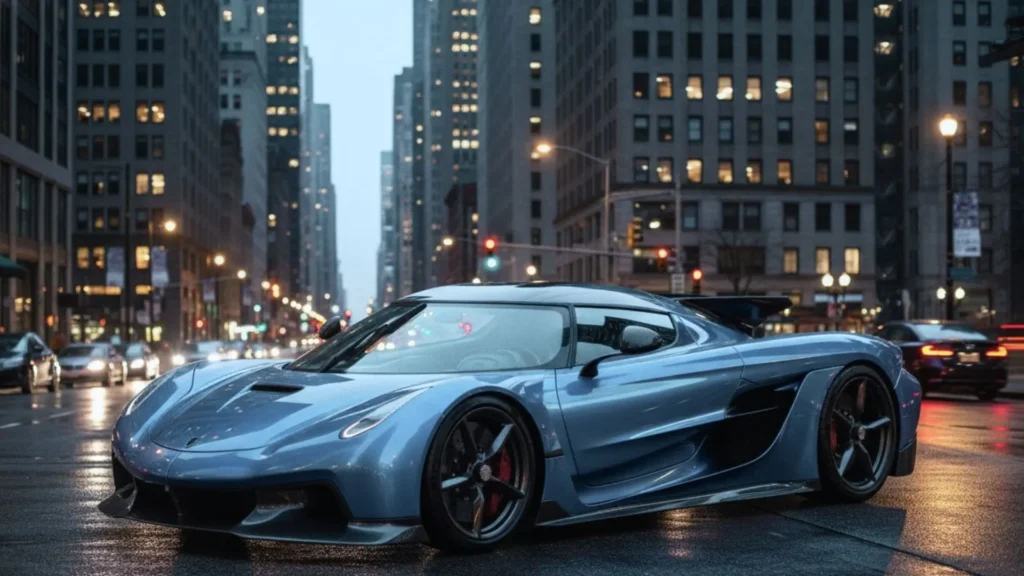
- Claimed speed: 330+ mph
- Status: Not tested yet
- Engine size: 5.0 liters
- Turbos: Two
- Power: 1,600 horses
- Special fuel: E85 ethanol
- Weight: 3,130 pounds
- Cost: $3 million
The car has no big rear wing. This reduces drag. The body shape cuts through air easily. Computer models say it can reach 330 mph.
Bugatti Chiron Super Sport 300+
This French car broke the 300 mph barrier:
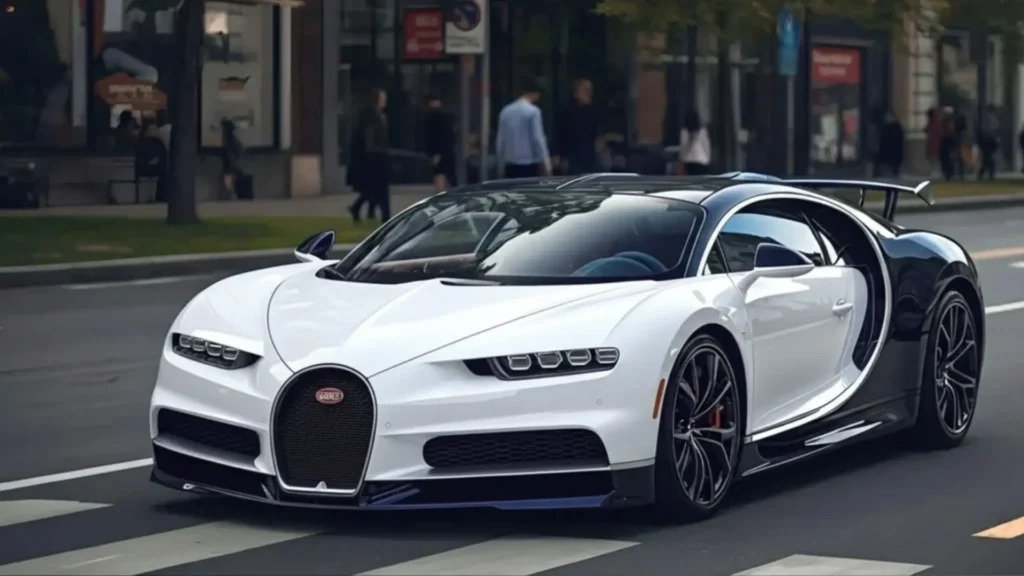
- Top speed: 304.77 mph (verified)
- Test date: August 2019
- Test track: Ehra-Lessien, Germany
- Engine size: 8.0 liters
- Turbos: Four of them
- Power: 1,479 horses
- Made: Only 30 cars
- Cost: $3.9 million
Bugatti modified the body for less air drag. They made it longer at the back. The engine got more power. Professional driver Andy Wallace set the record.
SSC Tuatara
This American car challenged the record:
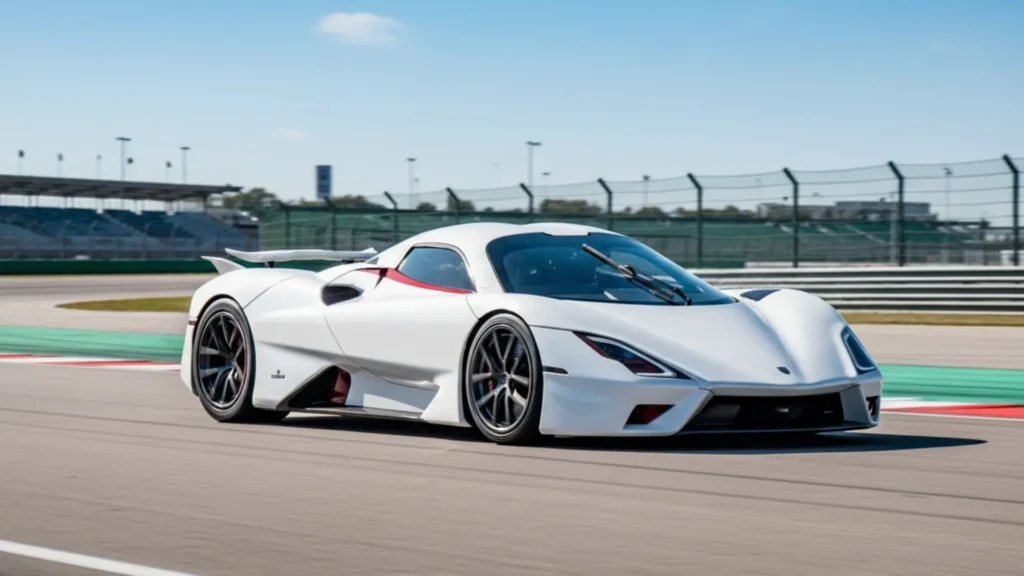
- First claim: 316 mph (questioned)
- Verified speed: 295 mph
- Engine size: 5.9 liters
- Turbos: Two
- Power: 1,750 horses
- Weight: 2,750 pounds
- Cost: $1.9 million
The first speed test had problems. People questioned the GPS data. SSC did another test. This one showed 295 mph. The car is still very fast.
How These Cars Go So Fast
Speed needs smart design. Many parts work together. Each detail counts.
Body Shape Matters
Air fights against moving cars:
- Smooth surfaces: Bumps create drag.
- Small front area: Less air to push.
- Flat bottom: Air flows under easily.
- Long tail: Helps air flow smoothly.
- No sharp edges: Causes air problems.
- Low height: Less air to move.
- Covered wheels: Reduce turbulence.
Wind tunnels help designers. They test different shapes. Computers also predict airflow. Getting this right adds 20-30 mph.
Massive Engine Power
Big power overcomes air resistance:
- Large engines: Burn more fuel.
- Turbochargers: Force extra air in.
- Special fuel: E85 gives more power.
- Many cylinders: 8 to 16 typically.
- High compression: Squeezes fuel hard.
- Exotic materials: Lighter engine parts.
- Advanced cooling: Stops overheating.
Power doubles as speed increases. Going from 200 to 300 mph needs four times more power.
Special Tires Required
Tires face huge stress:
- Speed rating: Must handle velocity
- Heat management: Gets very hot
- Strong construction: Won’t fall apart
- Right pressure: Changes with speed
- Limited life: Wear out quickly
- Custom made: Built for each car
- Expensive: Cost thousands each
Michelin makes most hypercar tires. Each set costs $30,000 or more. They last only 2,500 miles.
Lightweight Construction
Less weight means more speed:
- Carbon fiber body: Strong but light
- Aluminum parts: Replaces steel
- Titanium bolts: Lighter hardware
- Thin glass: Special lightweight windows
- No extras: Remove unnecessary items
- Racing seats: Replace heavy ones
Every pound matters. Removing 100 pounds adds 2-3 mph at top speed.
Speed Testing Rules
Proving speed requires strict rules. Groups verify the results. This keeps records fair.
Testing Requirements
Official records need these things:
- Two runs: Go both directions
- Same day: Complete quickly
- Average speed: Combines both runs
- GPS tracking: Multiple systems
- Video proof: Cameras record speed
- Witnesses: Independent people watch
- Stock car: No special modifications
- Right tires: Factory approved only
Wind affects speed. Going one way gets help. Coming back fights wind. Averaging both runs is fair.
Best Testing Places
Few places work for speed testing:
- Long straights: Need 2-3 miles minimum
- Smooth surface: Bumps are dangerous
- Wide track: Room for mistakes
- Clear weather: No rain or wind
- Safe runoff: Space to slow down
Volkswagen owns a perfect track in Germany. It has a 5.6-mile straight. Many records happen there.
Different From Normal Cars
Regular cars can’t compare. The gap is huge. Everything is better.
How They’re Made
These cars use special methods:
- Built by hand: Takes weeks
- Expert workers: Years of training
- Perfect fit: Everything exact
- Quality checks: Test constantly
- Small numbers: Make very few
- Custom paint: Unique colors available
Mass production cars use robots. Hypercars need human skill. This raises costs dramatically.
Performance Comparison
Numbers show the difference:
- Acceleration: Reach 60 mph in 2 seconds vs 6 seconds
- Top speed: 300 mph vs 130 mph
- Braking: Stop in 90 feet vs 120 feet
- Cornering: Turn much harder
- Gear changes: Shift in 50 milliseconds vs 200
- Price: Cost 100 times more
Normal sports cars feel slow compared. These hypercars exist in another world.
Other Speed Records
Speed means different things. Some cars win other categories.
Fastest Acceleration
Electric cars win short races:
- Rimac Nevera: Hits 60 in 1.85 seconds
- Tesla Model S Plaid: Reaches 60 in 1.99 seconds
- Aspark Owl: Claims 1.69 seconds
- Pininfarina Battista: Does 1.86 seconds
Electric motors give instant power. No waiting for engine revs. But top speed stays lower than gas cars.
Land Speed Records
Special vehicles go even faster:
- ThrustSSC: Hit 763 mph in 1997
- Bloodhound LSR: Aims for 1,000 mph
- Turbinator: Reached 503 mph
These use jet engines. They’re not normal cars. Different category entirely.
Future Speed Possibilities
Tomorrow’s cars will be faster. New technology helps constantly.
Electric Power
Batteries change things:
- Instant torque: Power comes immediately
- Four motors: One per wheel
- Software control: Adjusts constantly
- Low center: Batteries sit on floor
- Heavy weight: Current problem
- Limited range: Speed drains batteries
Electric hypercars are coming soon. Rimac and Lotus build them now.
Better Materials
New stuff makes cars lighter:
- Graphene: Stronger than steel
- 3D printing: Makes complex shapes
- Advanced carbon: Better than before
- Smart metals: Change with heat
Lighter cars go faster. Stronger materials help safety too.
Cost of Going Fast
These cars cost millions. Buying is just the start.
Purchase Price
Buying in is expensive:
- Base cost: $2-5 million
- Special options: Add $500,000 more
- Waiting time: 1-3 years typical
Few people can afford this. Production stays limited on purpose.
Conclusion
The Bugatti Chiron Super Sport 300+ is the fastest verified production car at 304.77 mph. The Koenigsegg Jesko Absolut claims higher potential at 330+ mph but hasn’t been tested yet. The SSC Tuatara reached 295 mph in verified runs. These cars cost millions and use extreme engineering. They’re completely different from regular vehicles. Future cars will likely go even faster with electric power and better materials.