Sodiceram Material Guide: How It’s Made, Benefits & Care Tips
Sodiceram is a special type of material. It’s made from a mixture of glass and ceramic. You can use it in very hot ovens and freezers.
Most people see sodiceram in expensive baking dishes. These dishes last much longer than cheap ones. Many families keep them for 20 years or more.
The material looks smooth like glass. But it’s much stronger than regular glass. It won’t crack when temperatures change fast.
What Does the Name “Sodiceram” Stand For?
The word “sodiceram” comes from two parts.
“Sodi” means sodium. Sodium is a chemical element used in making the glass part. It helps the material melt properly during manufacturing.
“Ceram” is short for ceramic. This refers to the crystal parts inside. These crystals make it super strong.
So the name tells you exactly what it is. It’s sodium glass with ceramic crystals inside.
What Makes Sodiceram Different From Regular Ceramic
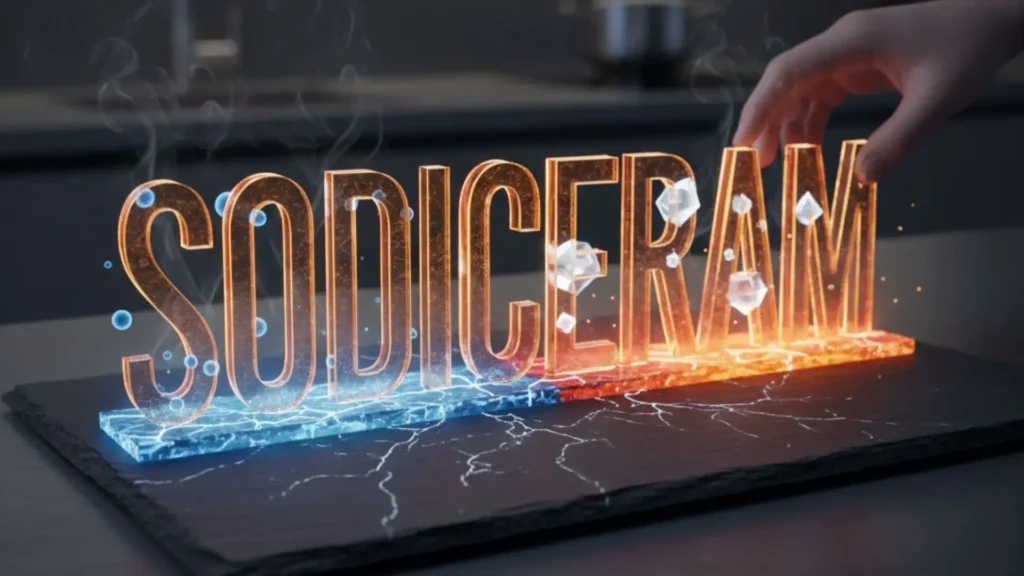
Regular ceramic is just baked clay. Sodiceram starts as liquid glass. Then tiny crystals grow inside while it cools.
Here’s what makes it special:
- Takes extreme hot and cold without breaking.
- Heats food evenly with no hot spots.
- Never soaks up food smells or colors.
- Metal spoons won’t scratch it.
- Stays perfect for 15-20 years.
- Cleans easily every time.
Normal ceramic breaks from sudden temperature changes. The clay expands too fast and cracks appear. Sodiceram bends slightly instead of breaking.
Think of regular ceramic like a cracker. It snaps easily. Sodiceram acts more like rubber. It flexes without damage.
How Sodiceram Is Made
Making sodiceram takes several days. The process needs exact temperatures at exact times.
Factories start with sand, aluminum, and lithium. They measure everything carefully. Wrong amounts make weak products.
The steps are:
- Mix ingredients into fine powder.
- Heat everything to 2700 degrees.
- Let it cool slowly to 1500 degrees.
- Tiny crystals start forming now.
- Heat it up again slightly.
- Crystals grow bigger and stronger.
- Cool down very slowly.
- Cut and polish the final shape.
The cooling speed matters most. Too fast makes weak crystals. Too slow wastes electricity and time.
Each batch gets tested hard. Workers freeze pieces solid. Then they put them in 500-degree ovens immediately. Good sodiceram survives this 100 times.
The Sodiceram Advantage: Key Benefits
Sodiceram works better than most cookware. Here’s why people pay extra for it.
Handles Any Temperature:
You can use it from freezer to oven directly. No waiting or warming up needed. It goes from -20 degrees to 500 degrees safely.
Keeps Food Hot Longer:
After you turn off the oven, food stays hot. It keeps warmth for 40 minutes easily. Metal pans lose heat in 10 minutes.
Cooks Everything Evenly:
No burnt edges with raw centers. Heat spreads perfectly across the whole dish. Your casseroles come out right every time.
Nothing Sticks:
Food slides off without scrubbing. You don’t need cooking spray or oil. Cheese and sauce lift away easily.
Zero Chemicals:
No Teflon or weird coatings. No lead or other metals. Nothing can flake into your food.
Lasts Forever:
Most pieces work perfectly for 20 years. Nothing wears out or breaks down. You buy it once and forget about it.
Health and Safety Advantages
Many people worry about cookware safety. Sodiceram fixes these problems.
It has no coatings at all. The material is the same all through. Nothing can peel off into your dinner.
Lab tests show zero lead and cadmium. Some cheap dishes have these poisons. Sodiceram doesn’t use them at all.
The surface is completely smooth. Germs can’t hide anywhere. Soap and water clean it totally.
Getting it super hot causes no problems. Cheap non-stick pans release fumes above 500 degrees. Sodiceram stays safe at any temperature.
Kids and babies can eat from it safely. No chemicals touch the food ever. Parents like this peace of mind.
Comparing Sodiceram to Other Materials
Knowing the differences helps you choose wisely.
Against Non-Stick Pans:
Non-stick coating scratches off after two years. Sodiceram never wears out this way. Coated pans can’t go above 400 degrees. Sodiceram handles 500 degrees fine.
Against Stainless Steel:
Stainless steel gets hot spots that burn food. Sodiceram heats the same everywhere. Tomatoes stain stainless steel brown. Sodiceram never stains.
Against Cast Iron:
Cast iron weighs a ton. Full dishes hurt your arms. Sodiceram weighs half as much. Cast iron needs oil rubbed in constantly. Sodiceram just needs washing.
Proper Care Guidelines
Taking care of sodiceram is easy. Simple habits keep it working.
Don’t drop it on tile floors. Hard impacts can crack anything. Hold dishes carefully when washing.
Temperature changes should make sense. Freezer to oven works great. But don’t put frozen dishes on hot burners directly.
For cleaning:
- Warm water and regular dish soap work.
- Baking soda removes stuck food.
- Soft sponges only.
- Dishwashers are okay.
- No harsh chemicals or steel wool.
Stack dishes with towels between them. This stops chips from bumping. A thin cloth works perfectly.
Check for cracks every few months. Look at edges carefully. Cracked pieces can break while cooking.
Stop using anything with cracks. Small cracks grow bigger from heat. The dish might shatter in your oven.
Cost and Value Analysis
Sodiceram costs more upfront. But it saves money over time.
A good baking dish costs $40-80. Regular glass costs $15-25. Basic ceramic costs $20-40.
Do the math per year. A $60 dish lasting 20 years costs $3 yearly. A $20 glass dish lasting 3 years costs $6.67 yearly.
Cheap dishes need replacing often. Buy four glass dishes over 12 years. Or buy one sodiceram dish. The better one costs less total.
Good cooking saves money too. Even heat means less burnt food. Wasted dinners cost plenty.
Safety has value for families. Many parents pay extra for chemical-free cooking. This matters differently to everyone.
Environmental Impact
Sodiceram creates less waste than alternatives.
One piece lasts 20+ years. That’s one dish instead of six cheap ones. Landfills get less trash.
Making it uses lots of energy. The 2700-degree process needs power. But lasting 20 years makes up for it.
Nothing toxic leaches when thrown away. The material is basically inert. It won’t poison anything.
Recycling programs don’t take it yet. Most places lack the equipment. This might change in future.
Using it saves cooking energy. Food stays hot after the oven turns off. Your electric bill drops slightly.
Tips for First-Time Users
Switching to sodiceram needs small adjustments. These tips help beginners.
Start at medium temperatures. Try 350 degrees first. Build confidence before going hotter.
Lower your oven by 25 degrees. Sodiceram cooks more efficiently. This prevents burning.
Let your oven preheat fully. Sodiceram takes longer to heat up. Wait 10-15 minutes minimum.
Use half the oil recipes say. The surface releases food naturally. You don’t need as much fat.
Check food earlier than expected. Even heating speeds cooking. Look 5 minutes before recipes say.
Let dishes cool naturally. Don’t shock them with cold water. Gentle treatment extends life.
Conclusion
Sodiceram offers real benefits for home cooking. The glass-ceramic mix provides exceptional temperature flexibility and even heating. No chemicals means safer food preparation. Quality pieces last 20+ years, making the higher price worthwhile. For cooks wanting durability, safety, and better results, sodiceram delivers proven performance that cheaper alternatives cannot match.