How Long Do Car Batteries Last?
Your car won’t start without a working battery. This small component powers everything in your vehicle. But batteries don’t last forever. Knowing when to replace yours saves money and prevents roadside emergencies.
Most car batteries work well for 3 to 5 years. Some die after just 2 years. Others keep going for 6 years or more. The difference depends on how you use and care for your battery.
Understanding Car Battery Lifespan
The big question is: how long do car batteries last in real-world driving? The answer varies based on your situation. Your climate matters. Your driving style matters. Even the battery type you choose affects how long it lasts.
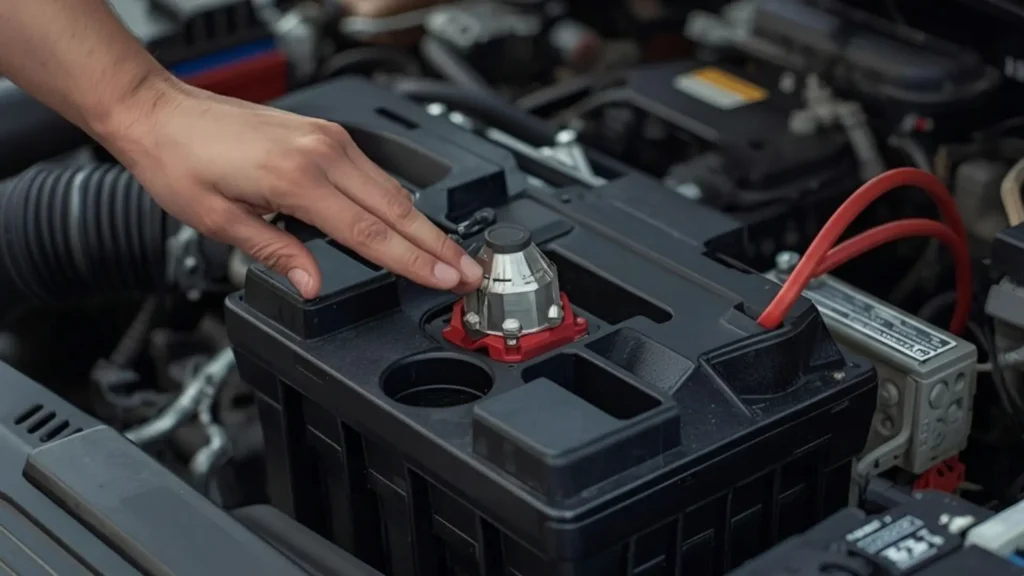
Battery Types and Their Lifespan:
- Standard lead-acid batteries: 3 to 5 years
- Enhanced Flooded Battery (EFB): 4 to 6 years
- AGM batteries: 4 to 7 years
- Lithium batteries in electric cars: 8 to 15 years
What Affects Battery Life:
- Hot and cold weather.
- How often you drive.
- Short trips versus long drives.
- Extra electronics in your car.
- Regular maintenance.
- Age of your vehicle.
Temperature Effects on Battery Life
Heat and cold are battery killers. Temperature plays the biggest role in how long do car batteries last.
Hot Weather Damage
Extreme heat shortens battery life fast. The chemistry inside your battery speeds up when it’s hot.
Problems from Heat:
- Water evaporates from the battery.
- Internal parts corrode faster.
- Battery life drops by 30% to 50%.
- Temperatures over 100°F cause major damage.
Hot Climate Tips:
- Park in shade when possible.
- Check battery more often.
- Expect 2 to 3 years of life.
- Test battery twice per year.
Cold Weather Challenges
Cold weather makes batteries work harder. Starting your car in winter requires more power. Weak batteries often fail on the first cold morning.
Cold Weather Problems:
- Battery power drops by half at 0°F.
- Engine needs more power to start.
- Old batteries fail quickly.
Cold Climate Solutions:
- Use higher CCA rated batteries.
- Keep battery fully charged.
- Test before winter arrives.
- Drive longer to recharge.
Your Driving Habits Matter
How you drive directly impacts how long do car batteries last. Your daily routine either helps or hurts your battery.
Short Trips Hurt Batteries
Quick trips around town are tough on batteries. Your battery uses lots of power to start the engine. Then it needs time to recharge.
Short Trip Issues:
- Battery never fully recharges.
- Life can drop to 2 years.
- City driving is hardest.
Better Driving Practices:
- Take longer drives weekly.
- Highway driving helps recharge.
- Drive for 30 minutes minimum.
- Regular use keeps battery healthy.
Electronics Drain Power
Modern cars have many electronics. Each one uses battery power. Too many accessories can shorten battery life.
Power-Hungry Items:
- Upgraded sound systems
- Extra lights and LED bars
- Phone chargers
- Heated seats
- Dashboard cameras
Saving Battery Power:
- Turn off accessories before stopping.
- Don’t use electronics when parked.
- Limit idling with accessories on.
- Make sure lights turn off.
Battery Sizes and Specifications
Batteries come in different sizes. Each car needs a specific size.
Common Battery Sizes
Popular Group Sizes:
- Group 24: 10.25″ × 6.8″ × 8.9″ (most sedans)
- Group 35: 9″ × 6.9″ × 8.9″ (Asian cars)
- Group 48: 10.9″ × 6.9″ × 7.5″ (European cars)
- Group 65: 12″ × 7.5″ × 7.6″ (trucks)
Important Battery Numbers
Key Specifications:
- Voltage: 12.6 to 12.8 volts when full
- CCA (Cold Cranking Amps): 400 to 850
- Reserve Capacity: 60 to 180 minutes
- Weight: 30 to 60 pounds
Different Battery Technologies
Not all batteries are the same. New technology offers better performance.
Standard Flooded Batteries
These are traditional batteries. They have liquid inside. They cost less but need more care.
Features:
- Contains liquid acid
- Cheapest option available
- Needs water added sometimes
- Must sit upright
- Lasts 3 to 5 years
AGM Batteries
AGM stands for Absorbent Glass Mat. These batteries are sealed. They perform better than standard types.
AGM Advantages:
- No liquid to spill.
- Never needs water.
- Handles vibration well.
- Charges faster.
- Works in extreme weather.
- Perfect for start-stop cars.
- Costs more but lasts longer.
- Lives 4 to 7 years.
Enhanced Flooded Batteries
EFB batteries are improved standard batteries. They cost less than AGM batteries.
EFB Benefits:
- Better than standard flooded
- Cheaper than AGM
- Made for start-stop systems
- Lasts longer
Warning Signs of Battery Failure
Your battery tells you when it’s dying. Don’t ignore these warnings.
Common Warning Signs:
- Engine cranks slowly.
- Headlights dim at idle.
- Electronics work poorly.
- Dashboard warning light on.
- Battery case looks swollen.
- White or blue crusty buildup.
- Battery over 4 years old.
Testing Your Battery
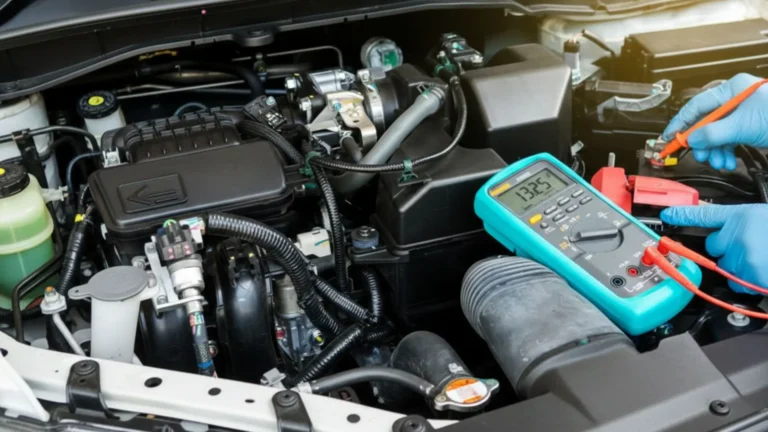
Regular testing catches problems early. Most tests are simple. Many stores test batteries for free.
Testing Methods:
- Voltage should be 12.4 volts or higher.
- Free testing at parts stores.
- Check for physical damage.
- Test twice yearly.
Making Your Battery Last Longer
Proper care extends battery life. Simple maintenance makes a big difference.
Monthly Maintenance
Check your battery regularly. These checks take just minutes.
Monthly Checks:
- Look for crusty buildup.
- Check cable tightness.
- Clean if needed.
- Check for damage.
- Keep top clean and dry.
Cleaning Your Battery
Corrosion shortens battery life. Cleaning is easy and effective.
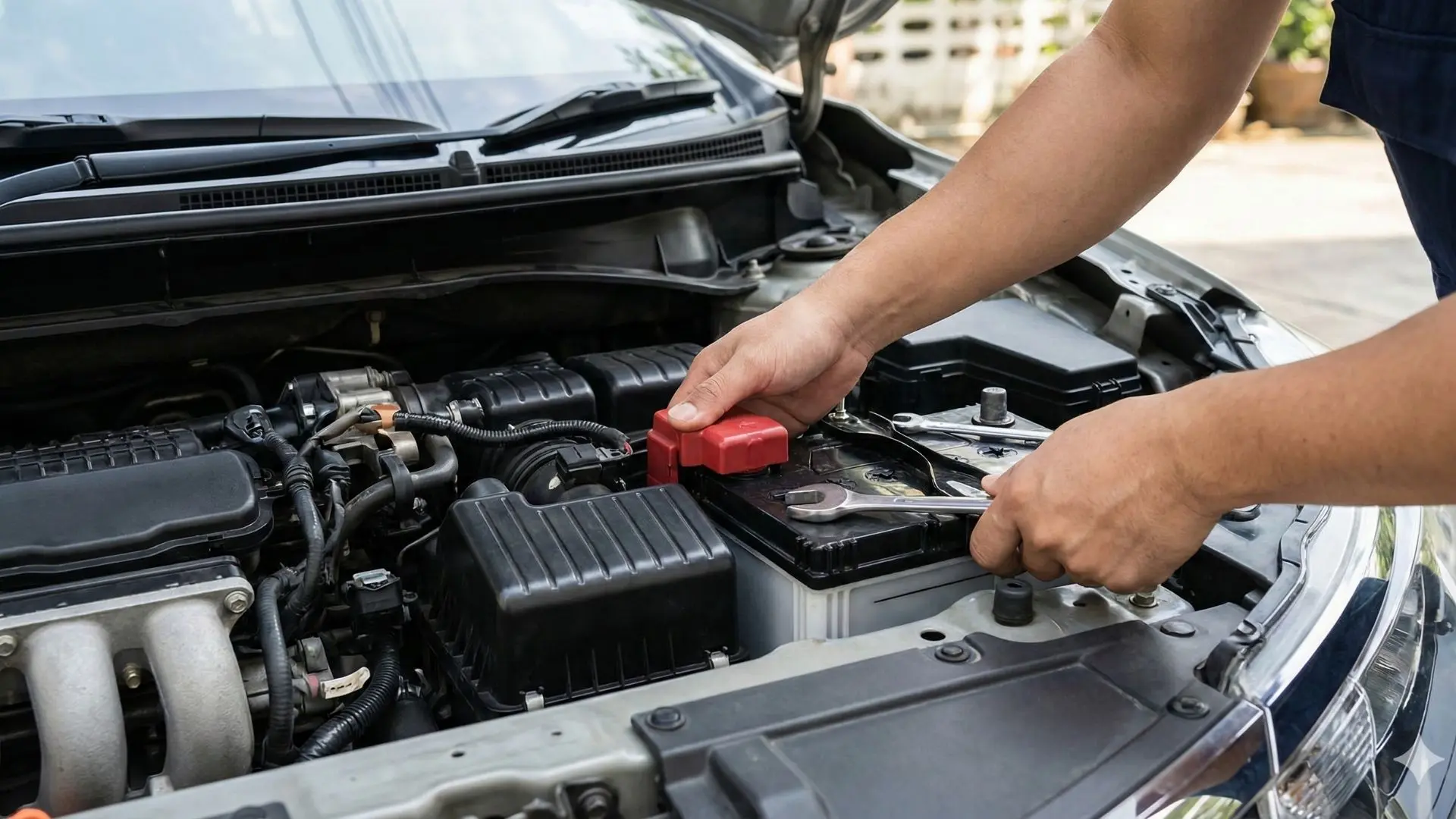
Cleaning Steps:
- Remove negative cable first.
- Then remove positive cable.
- Mix baking soda with water.
- Scrub terminals with wire brush.
- Rinse with clean water.
- Dry everything completely.
- Connect positive first.
- Then connect negative.
Charging Best Practices
Keeping your battery charged extends its life. Avoid letting it die completely.
Charging Tips:
- Don’t let voltage drop below 12 volts.
- Use a battery maintainer for stored cars.
- Check alternator output (13.7 to 14.7 volts).
Climate and Location Impact
Where you live affects how long do car batteries last. Some areas are harder on batteries.
Hot Climate Areas
Desert regions kill batteries fast. Heat is the enemy.
Hot Climate Facts:
- Expect 2 to 3 years only
- Summer heat causes damage
- Shade parking helps
- Test every 6 months
Cold Climate Areas
Northern states stress batteries differently. Cold makes starting harder.
Cold Climate Facts:
- Get 3 to 5 years with care.
- Winter tests weak batteries.
- Need higher CCA ratings.
- Test before winter.
Moderate Climates
Mild weather is best for batteries. Less temperature stress helps.
Moderate Climate Benefits:
- Full 4 to 6 year life possible
- Less weather stress
- Normal maintenance enough
When to Replace Your Battery
Timing your replacement prevents problems. Don’t wait for complete failure.
Age-Based Replacement
Battery age matters more than appearance. Old batteries fail without warning.
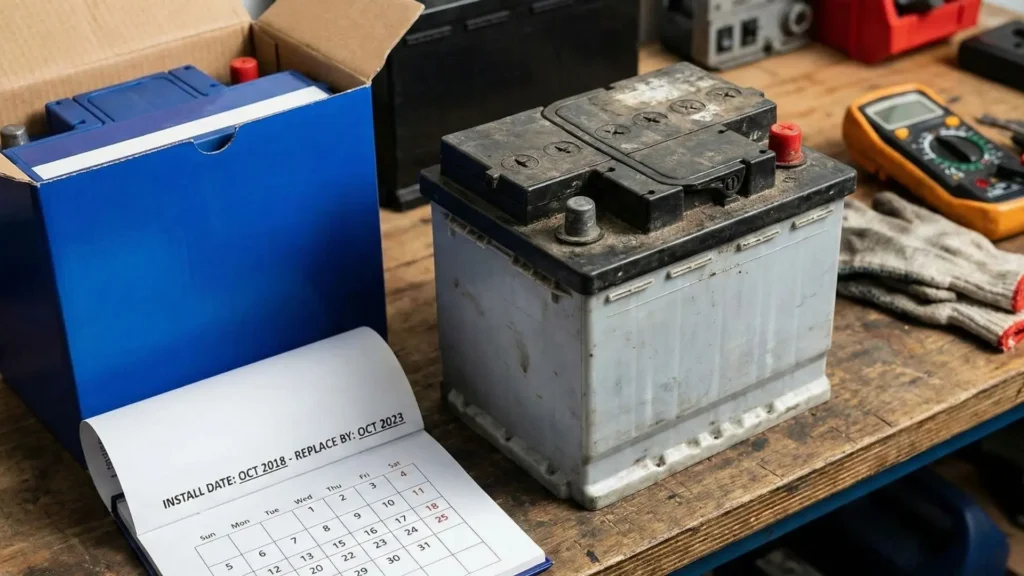
Replacement Schedule:
- Test yearly after 3 years.
- Replace at 4 years in hot areas.
- Replace at 5 years elsewhere.
- Never go past 6 years.
- Replace before winter if over 4 years old.
Replacement Costs
Battery prices vary widely. Quality costs more but lasts longer.
Price Ranges:
- Standard batteries: $50 to $120
- Enhanced batteries: $100 to $200
- AGM batteries: $150 to $400
- Installation service: $20 to $50
Professional Testing Schedule
Get your battery tested regularly. Free testing is available.
Testing Times:
- Every year after 3 years.
- Before winter in cold areas.
- Before road trips.
- After jump starting.
- When showing problems.
Battery Warranties Explained
Warranties protect your investment. Better batteries have better warranties.
Warranty Types
Coverage Options:
- Free replacement period (1 to 3 years)
- Prorated coverage (extra 1 to 3 years)
- Total warranty (2 to 5 years typical)
- Keep your receipt safe
Quality Factors
What Makes Good Batteries:
- Known brand names.
- Higher CCA for your area.
- Longer warranty period.
- Recent manufacture date.
- Correct size for car.
Conclusion
How long do car batteries last depends on many things. Most batteries work for 3 to 5 years with proper care. Heat, cold, and driving habits affect lifespan significantly. Regular testing and maintenance extend battery life. Watch for warning signs like slow cranking or dimming lights. Replace batteries proactively at 4 to 5 years old. Choose quality batteries with good warranties. Proper care ensures reliable starts and prevents roadside emergencies every time.