How Can We Empower the Disaster Management Crew?
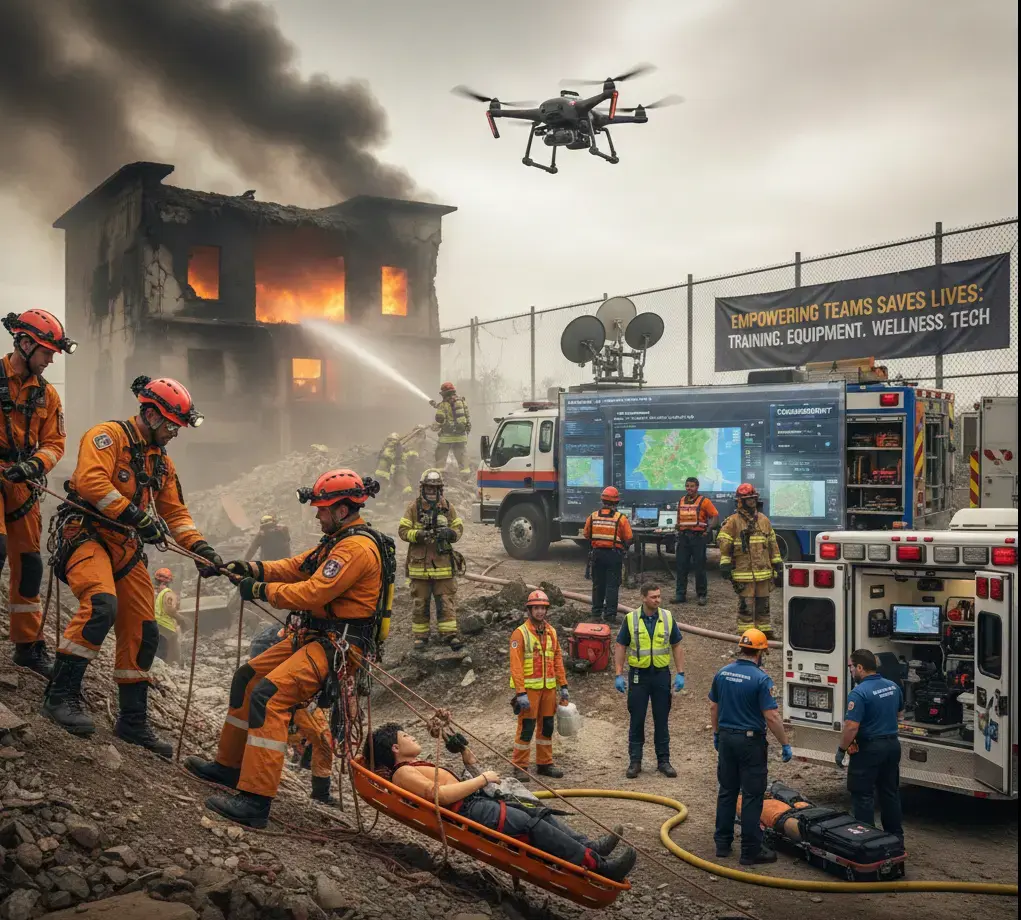
Disasters strike without warning. Communities depend on response crews. These professionals work in extreme danger daily. Trained crews perform better. They make faster decisions. Mistakes cost lives. Investment in crew capability reduces death rates significantly. Research shows prepared teams respond 50% quicker. Better equipment means safer operations. Supported staff stay longer on the job. This continuity saves communities.
Hands-On Training Builds Real Skills
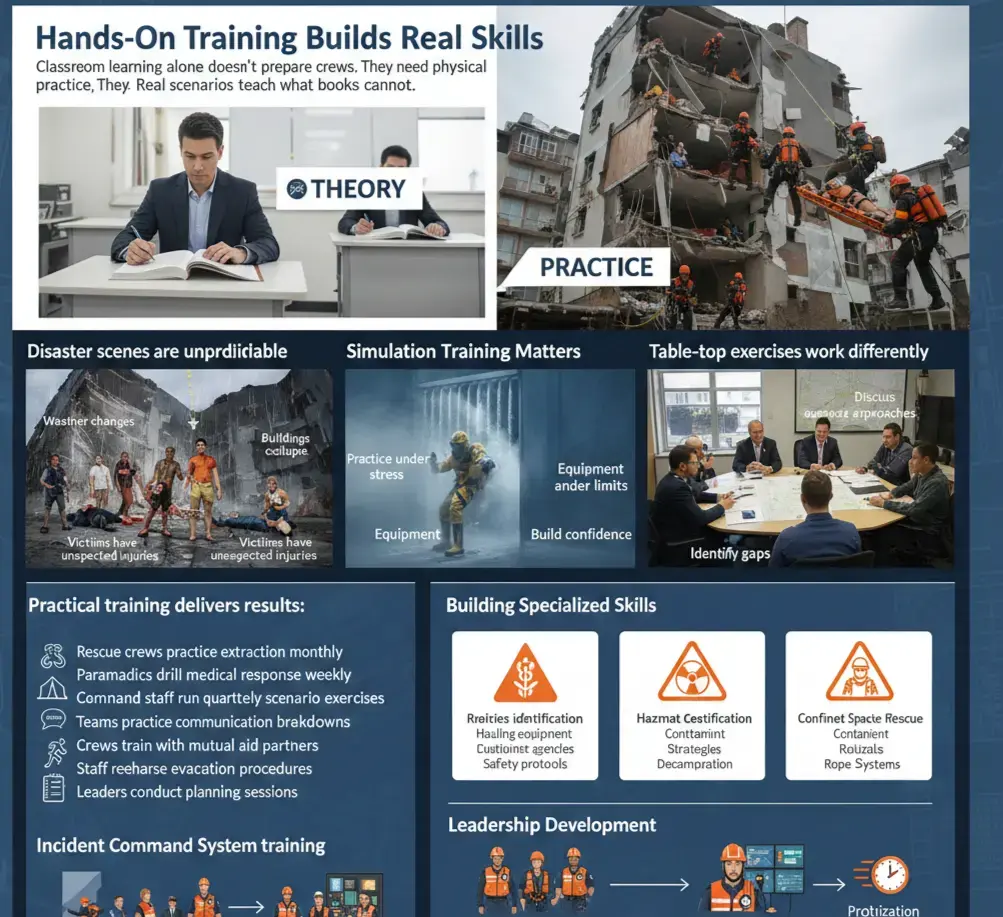
Classroom learning alone doesn’t prepare crews. They need physical practice. Real scenarios teach what books cannot.
Why Practical Training Matters
Disaster scenes are unpredictable. Weather changes. Buildings collapse unexpectedly. Victims have unexpected injuries. Crews must handle surprises.
Simulation exercises mirror actual conditions. Teams practice under stress. They learn how bodies react. They discover equipment limits. And build confidence through repetition.
Table-top exercises work differently. Leaders discuss scenarios together. They debate response approaches. Teams identify gaps in planning. Decisions get tested without real danger.
Practical training delivers results:
- Rescue crews practice extraction monthly.
- Paramedics drill medical response weekly.
- Command staff run quarterly scenario exercises.
- Teams practice communication breakdowns.
- Crews train with mutual aid partners.
- Staff rehearse evacuation procedures.
- Leaders conduct planning sessions.
Building Specialized Skills
Different roles need different expertise. Search and rescue differs from firefighting. Medical response isn’t the same as logistics. Rope rescue training teaches specific techniques. Crews learn anchor systems. They practice hauling equipment. They master safety protocols. This expertise prevents deaths.
Hazmat certification covers chemical identification. Teams learn containment strategies. They practice decontamination procedures. They understand health risks. This prevents exposure accidents. Confined space rescue trains for unique dangers. Crews learn ventilation requirements. They practice entry procedures. They master rope systems for tight spaces. This expertise saves miners and contractors.
Leadership Development
Disaster response needs strong leaders. Commanders make critical decisions. Their choices affect crew and community safety. Incident command system training standardizes operations. Leaders learn a unified approach. They practice managing multiple agencies. They understand resource allocation. This consistency improves response.
Decision-making under stress requires specific training. Leaders practice prioritization. They learn how to delegate quickly. They understand when to call for help. This prevents paralysis during crises.
Equipment and Resources Matter Critically
Outdated equipment fails during emergencies. Worn-out tools slow response. Insufficient supplies force improvisation. None of this is acceptable.
Personal Protective Gear
PPE protects crew health directly. Poor quality gear increases injury risk. Inadequate protection leads to illness. Crew members cannot work if injured. Respiratory protection prevents inhalation injury. Poor filters allow toxic exposure. Crews need gear tested for their environment. Firefighters need different protection than hazmat teams.
Protective clothing prevents burns and cuts. Quality gear withstands extreme heat. Poor clothing tears easily. Damaged gear leaves crews exposed. Eye protection matters significantly. Smoke and dust cause serious eye damage. Poor goggles fog up. This reduces visibility. Crews need clear, reliable protection.
Communication Equipment
Cell phone networks fail during disasters. Power lines go down. Cell towers lose power. Text messaging stops. Voice calls disconnect.
Dedicated radio systems work independently. They operate on backup power. The range extends across jurisdictional areas. Multiple channels prevent congestion. Crews can communicate even when infrastructure fails. Mobile data terminals in vehicles provide real-time information. Dispatchers send location details. Updates reach crews instantly. This prevents confusion. Satellite phones work anywhere. Cellular coverage disappears in remote areas. Satellite phones connect regardless. Teams in mountains or isolated regions stay connected.
Vehicles and Equipment
Response speed saves lives. Slow arrival means more damage. Fast deployment prevents escalation.
Modern vehicles travel faster. They carry more equipment. Reliability prevents breakdown delays. Older vehicles break down frequently. This delays the response. Specialized vehicles serve specific purposes. Rescue vehicles carry extrication tools. Ambulances carry medical equipment. Pumpers carry water for firefighting. Wrong vehicle type means wrong capabilities.
Backup equipment prevents operational gaps. When one vehicle fails, another serves. Inventory shortages create dangerous delays. Equipment organization saves time. Crews find tools quickly. Lost equipment during a crisis wastes minutes. Organization prevents chaos.
Career Paths Keep Experienced Staff
Experienced crews outperform new teams. Knowledge accumulates over the years. Losing trained staff creates dangerous gaps.
Advancement Opportunities
Clear promotion pathways motivate performance. Staff see advancement possibilities. Without advancement, talented people leave. Specialized certifications open career doors. Medical training leads to paramedic roles. Leadership training enables supervisor positions. Specialized skills increase opportunities. Competency-based advancement rewards excellence. Performance metrics guide promotion. Staff understand what advancement requires. Fairness builds trust.
Fair Compensation
Pay reflects job difficulty. Disaster work is dangerous and demanding. Low pay drives away qualified people. Hazard pay recognizes danger. Crews working in extreme conditions deserve premium rates. This acknowledges sacrifice.
Benefits protect crew families. Health insurance covers job injuries. Life insurance protects dependents. Retirement plans ensure security. Without benefits, crews cannot afford to stay. Overtime pay acknowledges extended hours. Long disaster operations require extended work. Fair rates show respect for sacrifice. Performance bonuses reward excellent work. Teams exceeding standards deserve recognition. Bonuses motivate quality performance.
Retention Strategies
Experienced crews have strong institutional knowledge. They know what works. They remember past lessons and mentor newer staff. Mentorship programs transfer expertise systematically. Senior staff guide junior members. Knowledge passes to new generations. Relationships strengthen teams.
Continuous education keeps skills current. New techniques emerge regularly. Crews need ongoing training. Funded education shows organizational investment. Work-life balance prevents burnout. Disaster work is emotionally taxing. Time off allows recovery. Reasonable schedules improve retention.
Mental Health Support Prevents Breakdown
Trauma exposure is constant for disaster crews. Witnessing deaths affects psychology. Long work hours create exhaustion. These factors combine to damage mental health.
Recognizing Trauma Impact
PTSD develops in disaster workers. They experience flashbacks. They suffer from sleep problems and develop anxiety. Untreated trauma worsens over time. Depression follows traumatic exposure. Staff lose motivation. Performance declines. Relationships suffer. Untreated depression becomes serious. Substance abuse sometimes follows trauma. People self-medicate with alcohol. Drug use increases. Addiction develops. This destroys careers and families.
Support Systems
Counseling services provide professional help. Trained therapists understand trauma. Confidential sessions encourage honesty. Regular access normalizes help-seeking. Peer support groups build understanding. Members share experiences. They validate each other’s feelings. Group connection reduces isolation.
Critical incident debriefing after major operations helps processing. Teams discuss what happened. People share feelings. Early intervention prevents long-term damage. Stress management training teaches coping skills. Breathing exercises work during crises. Physical fitness reduces anxiety. Sleep improvement strengthens resilience. Fitness programs support mental health. Exercise releases endorphins. Physical activity reduces depression. Community fitness builds team bonds.
Technology Improvements
Modern tools improve decision-making. Real-time data enables faster responses. Integrated systems coordinate resources.
Real-Time Information
GPS tracking shows crew locations instantly. Command centers see team positions. Dispatch understands resource distribution. Lost crews get found quickly.
Mobile applications connect teams directly. Updates reach everyone simultaneously. Information flow improves coordination. Miscommunication decreases.
GIS mapping displays hazard zones. Predictions improve disaster planning. Damage assessment maps guide response. Resource deployment becomes strategic.
Specialized Tools
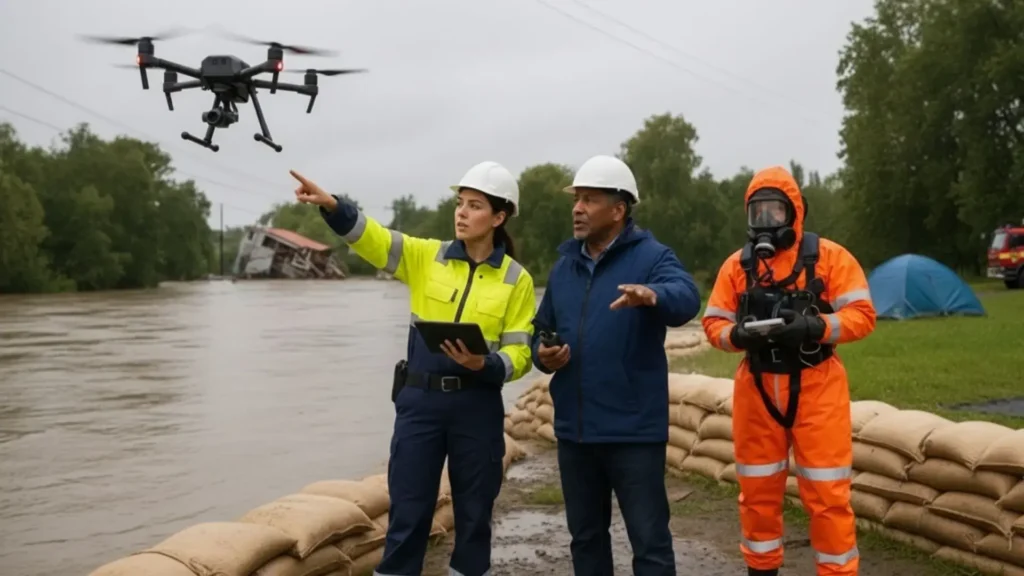
Drones assess damage from distance. Crews see conditions before arrival. Hazards are identified remotely. Safety risk decreases. Thermal imaging finds people in smoke. Rescue teams locate victims quickly. Survival rates improve significantly. Communication software integrates multiple agencies. Police, fire, medical, and emergency management share information. Unified response becomes possible.
Community Partnerships Extend Capacity
Communities support an effective response. Public cooperation speeds operations. Partnership builds shared responsibility.
Volunteer Programs
Trained volunteers expand crew capacity. Communities provide additional resources. Regular citizens become part of the solution. Volunteer training creates capable assistance. Clear role definition prevents confusion. Proper training prevents accidents. The organization of volunteers requires planning. Volunteer coordinators manage assignments. Pre-arranged groups deploy faster.
Public Education
Community awareness improves preparedness. People who know risks respond better. Education prevents panic. Evacuation drills train community response. Residents learn routes. Traffic patterns are identified. Problems get fixed before real disasters. School programs teach children safety. Young people spread knowledge at home. Family preparedness improves significantly.
Trust Building
Transparent communication builds confidence. Communities need honest information. Regular updates prevent rumors. Visible presence of crews builds relationships. Crews at community events become known. Personal relationships improve cooperation during crises. Recognition of crew contributions shows appreciation. Communities celebrate their protectors. This strengthens bonds.
Fair Compensation Shows Respect
Compensation reflects job importance. Disaster work is dangerous and demanding. Pay must acknowledge this. Hazard pay reaches 25-50% premiums. Extreme danger deserves premium compensation. This shows organizational respect. Health insurance covers job injuries. Life insurance protects families. Retirement benefits ensure future security. Overtime compensation must be substantial. Long operation hours require fair rates. Respect for sacrifice shows in paychecks.
Conclusion
How can we empower the disaster management crew? Through training, equipment, career support, mental health services, technology, community engagement, and fair compensation. Each element strengthens the others. Together they create capable, confident, resilient teams.
Strong crews protect communities effectively. Investment in crew capability saves lives directly. Communities deserve the best protection possible. That protection comes from supported, trained, equipped professionals.