
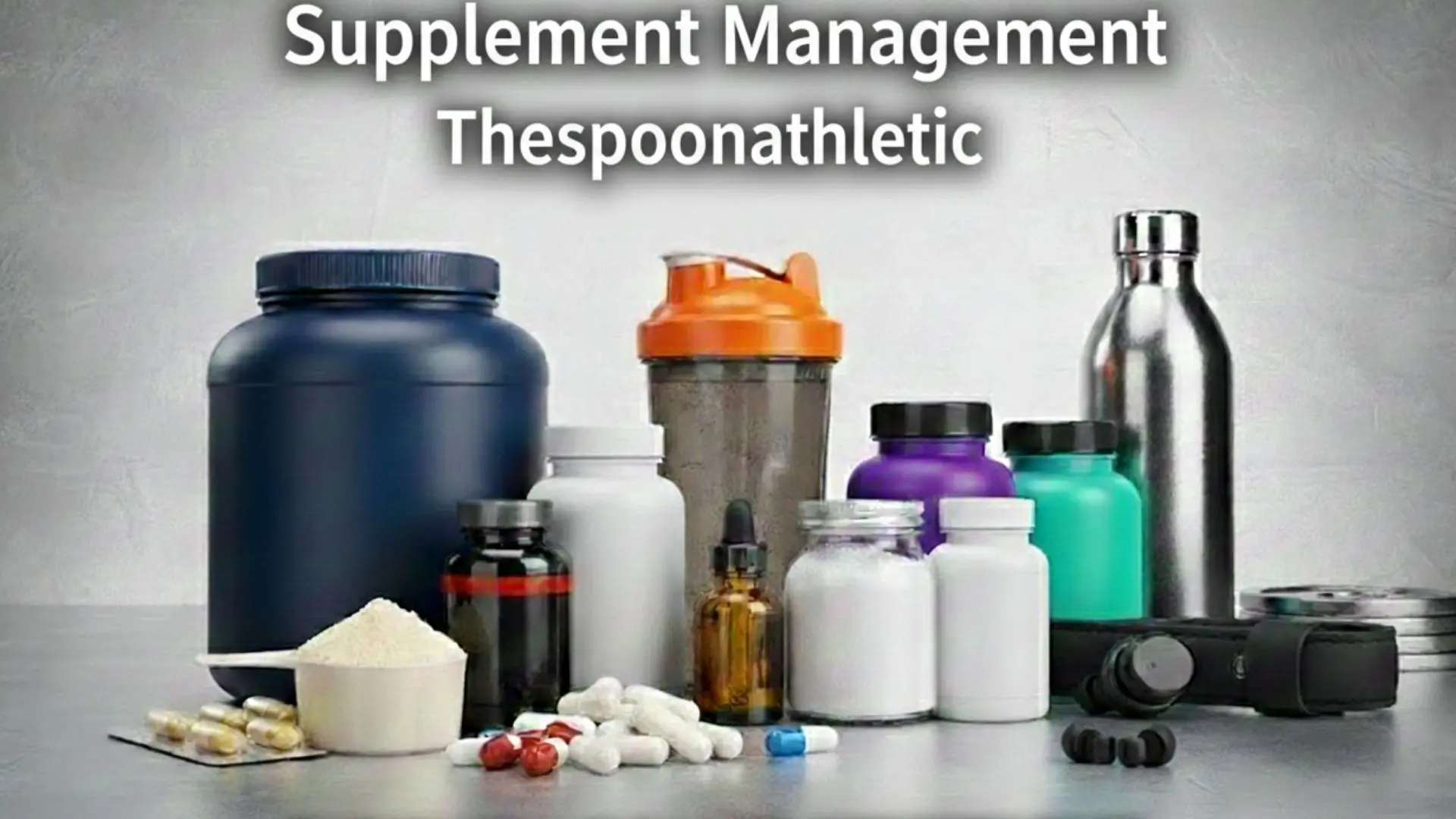
Supplement Management Thespoonathletic: Build Perfect Nutrition Plan
Athletes train hard every day. But training alone isn’t enough. Your body needs the right fuel. Your muscles need specific nutrients. Recovery depends on proper support. This is where supplement management thespoonathletic helps you.
Many athletes throw away money on wrong products. Some take too many pills at once. Others ignore when to take them. The result? Bad performance and lost money.
Good supplement use makes a huge difference. You train better. You recover quicker. Your body handles stress better. Performance goes up fast.

What Is Supplement Management and Why It Matters
Supplement management means taking the right stuff at the right time. It’s a clear plan for nutrition support. You don’t buy random bottles. You follow a smart plan.
Most athletes mess up because they have no plan. They grab products off shelves. They swallow pills without checking if they work. Money goes down the drain.
Good supplement management thespoonathletic fixes this problem. Your body gets what it needs exactly when it needs it. Training works better. Recovery gets faster. Performance climbs week by week.
This guide shows you exactly what to do. You’ll see which products actually help and also learn the best time to take each one. You’ll skip mistakes that waste your time.
Understanding Supplement Management Thespoonathletic
What Makes It Different
Supplement management thespoonathletic means having a real plan. It’s not about buying whatever looks cool. It’s about making smart choices every day.
Think of it like building a house. Each supplement does a specific job. When you take it matters a lot. How much you take depends on your size and how hard you train.
Most athletes skip the planning part. They grab what friends recommend. They copy what people at the gym do. Their kitchen fills up with bottles they never finish.
The Core Principles
A good plan needs clear thinking. You look at what you actually need and find the real gaps in your food. You pick supplements that science backs up.
Here’s what makes supplement management thespoonathletic work:
You focus on individual needs:
Your training is different than others. Your body works in its own way. What you need changes as your training changes.
You choose based on evidence:
Real science guides what you buy. Studies show what actually helps. You ignore fancy marketing without proof.
You time everything precisely:
Morning stuff is different than night stuff. What you take before training matters. After training is a key time too.
You track results constantly:
Your numbers tell the truth. Performance tests show what helps. Body measurements reveal real changes.
You adjust regularly:
Training changes through the year. Getting ready for competition needs different support. Off-season has different goals.
Essential Supplements for Athletes
Building Your Foundation
Your supplement plan needs strong basics. Some products deliver real gains. Others just empty your wallet.
Start with supplements that help every time. Science backs them up across many sports. Athletes see actual gains. Tests prove they work.
Many athletes make a big mistake here. They buy weird exotic stuff first. They skip the basic supplements that really work. Their base stays shaky.
Good supplement management thespoonathletic starts with basics. You get the foundation right first. You only add more when you really need it. Each piece has a clear reason.
The Must-Have Supplements
These supplements belong in your plan:
Protein powder speeds recovery:
Your muscles tear during training. Protein gives the parts needed to fix them. Whey works fast after workouts. Casein is better at bedtime.
Creatine builds strength fast:
Scientists have studied this for 30 years. It boosts power output every time. Muscles grow quicker. Take 5 grams each day for top results.
Omega-3 reduces inflammation:
Hard training causes swelling. Fish oil controls this problem. Joints hurt less. Recovery speeds up. Take 2-3 grams per day.
Vitamin D supports everything:
Low amounts wreck performance. Bones need it to stay strong. Your immune system drops without it. Get your blood tested before you start.
Electrolytes prevent cramping:
Sweat takes out important minerals. You need to put back sodium, potassium, and magnesium. Cramps stop when these stay balanced. You stay hydrated much better.
Caffeine boosts performance:
Hundreds of studies prove it helps. You can go longer. Your mind stays sharp. Power goes up. Take it 30-60 minutes before you train.
Creating Your Personal System
Planning Your Approach
Making a good system takes real planning. You can’t just copy what someone else does. Your needs are different. Your goals need a custom plan.
Start by looking at what you eat now. Write down everything for seven days. Count your protein carefully. Look at where vitamins come from. Find the obvious holes.
Many athletes find shocking gaps. They eat way less protein than needed. They barely eat vegetables. Important vitamins are missing. Supplements plug these exact holes.
Next you set clear goals. What you want decides what supplements you need. Lifting heavy needs different support than running long distances. Changing your body needs its own plan.
Step-by-Step Setup
Your supplement management thespoonathletic plan should follow these steps:
Get baseline measurements first:
Test important things before you begin. Check vitamin D in your blood. Measure your body composition. Write down your current performance. These starting points prove what works later.
Start with one change:
Add just one supplement at a time. Wait two full weeks before adding another. This shows what actually helps versus what doesn’t. You stop wasting money on junk.
Match supplements to training:
Heavy lifting weeks need extra protein. High-volume training needs more electrolytes. Easy recovery weeks need less. Change based on what you’re doing now.
Create simple routines:
Morning habits work better than random times. After-workout routines become automatic. Bedtime supplements get taken without thinking. Being consistent beats being perfect.
Document everything carefully:
Write what you take every single day. Note exact amounts. Write how you feel. Track your performance numbers. You’ll see patterns over time.
Review monthly results:
Look at your records every 30 days. Compare your performance now to when you started. Check body composition changes. Fix your plan based on real data.
Safety Guidelines You Must Follow
Understanding the Risks
Supplements can help you or hurt you. Quality is wildly different between brands. Some have banned drugs in them. Others have dangerous junk mixed in.
Athletes who compete face bigger risks. A failed drug test ends your career. Bad supplements cause most dirty tests. One wrong choice destroys years of hard work.
Even people who don’t compete need to be careful. Some supplements mess with your medicine. Others cause bad effects at high amounts. We don’t know long-term safety for many products.
Protecting Yourself
Smart supplement management thespoonathletic puts safety at the top. You dig into research before buying and also check quality through testing. You stay inside safe amounts.
Follow these safety rules every time:
Buy certified products only:
Look for NSF Certified for Sport on the label. Informed-Sport testing proves it’s clean. BSCG certification shows screening for banned drugs. These tests cost money but keep you safe.
Check banned substance lists:
WADA updates what’s not allowed all the time. Your sport might ban even more things. One mistake destroys your competitive career. Check everything before you buy.
Talk to your doctor:
Some supplements mess with your medicine. Others make health problems worse. Your doctor knows your medical past. Get professional advice before starting anything new.
Start with minimal doses:
Begin way below what the bottle says. Watch for any bad reactions. Go up slowly over many weeks. This catches problems early.
Read labels completely:
Know every single ingredient in your supplements. Stay away from proprietary blends that hide amounts. Skip products with unclear labels. Clear information matters for safety.
Watch for warning signs:
Stop right away if problems show up. Stomach trouble means you can’t handle it. Headaches mean the dose is wrong. Skin problems mean allergies. Pay attention to your body.
Getting Real Results
Implementation Strategies
Just buying supplements does nothing by itself. Results come from doing it right. You need to stick with it for weeks and months. You have to blend supplements with training in smart ways.
Most athletes mess up this part. They take supplements whenever. Timing changes every day. Amounts go up and down for no reason. Results suck because they don’t follow through.
Your supplement management thespoonathletic plan needs solid execution. Morning habits become second nature. Training days look different than rest days. Competition prep follows different rules than off-season.
Timing and Application
Think hard about when to take supplements. Some work best on an empty stomach. Others need food to get absorbed. Before-workout timing changes performance. After-training windows matter for recovery.
Use these tactics to get better results:
Link supplements to training phases:
Building your base needs different support than peak training. High-volume phases need extra recovery support. High-intensity phases get performance boosters. Match your supplements to what you’re doing right now.
Eat real food first:
Supplements only fill gaps. Real food gives you most of your nutrition. Vegetables give you important nutrients. Good protein comes from meat and fish. Don’t swap meals for shakes.
Time protein strategically:
Take quick-absorbing protein after training. Use slow-absorbing protein before bed. Spread it out through the whole day. Every meal should have good protein in it.
Front-load creatine properly:
Start with a loading phase if you want. Take 5 grams daily to keep levels up. Splitting doses doesn’t matter much. Being consistent matters way more than timing.
Prioritize sleep supplements:
Recovery happens while you sleep. Magnesium makes sleep better. ZMA helps you sleep deeper. Good sleep beats any supplement for recovery.
Conclusion
Supplement management thespoonathletic gives you a real edge in training and competing. Start with proven basics like protein, creatine, and omega-3. Take your supplements at the right times around workouts. Check your progress every month and fix things based on what the numbers show. Remember that supplements help your training but never replace eating right, working hard, and getting enough rest. Build your plan slowly and stick with it for the best gains.