How Long to Charge an Electric Car?
Buying an electric car is exciting. But many people wonder about charging times. This guide answers all your questions. You’ll learn how charging works. You’ll understand different charging speeds. And you’ll discover what affects charging time.
What Affects Charging Time?
Charging an electric car takes different amounts of time. Several things change how fast your car charges. Let’s look at what matters most.
Your battery size matters a lot. A bigger battery takes longer to fill. Think of it like a swimming pool. A small pool fills faster than a large one.
The charger power makes a big difference. Stronger chargers work faster. Weaker chargers take more time.
Your battery level right now also counts. Charging speeds up or slows down at different levels. Most cars charge fastest between 20% and 80%.
Main factors that change charging time:
- How big your battery is.
- What charger you use.
- How empty your battery is right now.
- Outside temperature.
- Your car’s charging limit.
- The charger’s power output.
- Battery health and age.
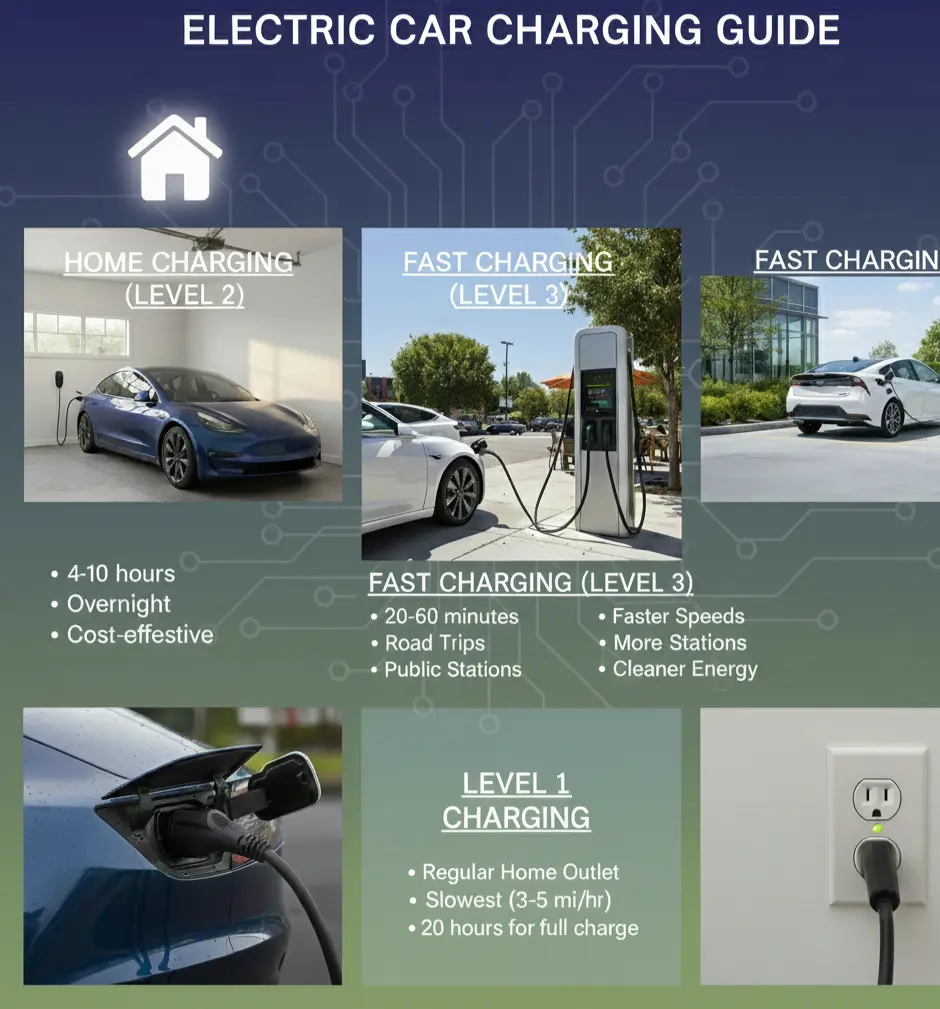
Three Types of Charging
Electric cars can charge three different ways. Each way has its own speed. Each fits different needs.
Regular Home Plug (Level 1)
This uses your normal wall outlet. It’s the slowest way to charge. But you don’t need special equipment.
What you get with Level 1:
- Uses any regular outlet at home.
- Adds about 3-5 miles per hour.
- Takes 40-50 hours for empty to full.
- Works for short daily drives.
- Costs nothing to set up.
- Good for overnight charging if you drive little.
- Gives about 40 miles in 10 hours.
- Not good for big batteries.
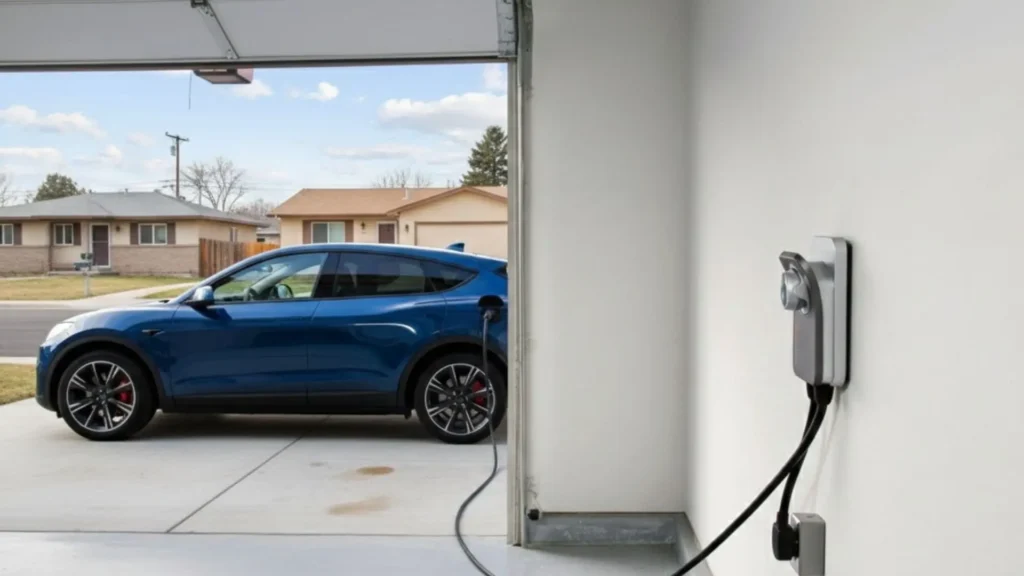
Special Home Charger (Level 2)
This is what most people install at home. It’s much faster than a regular outlet. You need an electrician to set it up.
Level 2 charging gives you:
- Needs 240–volt power.
- Adds 15-60 miles per hour.
- Fills most cars in 4-10 hours.
- Perfect for overnight charging.
- Found at many public places.
- Works with all electric cars.
- Most home units give 25-30 miles per hour.
- Costs $500-$2,000 to install.
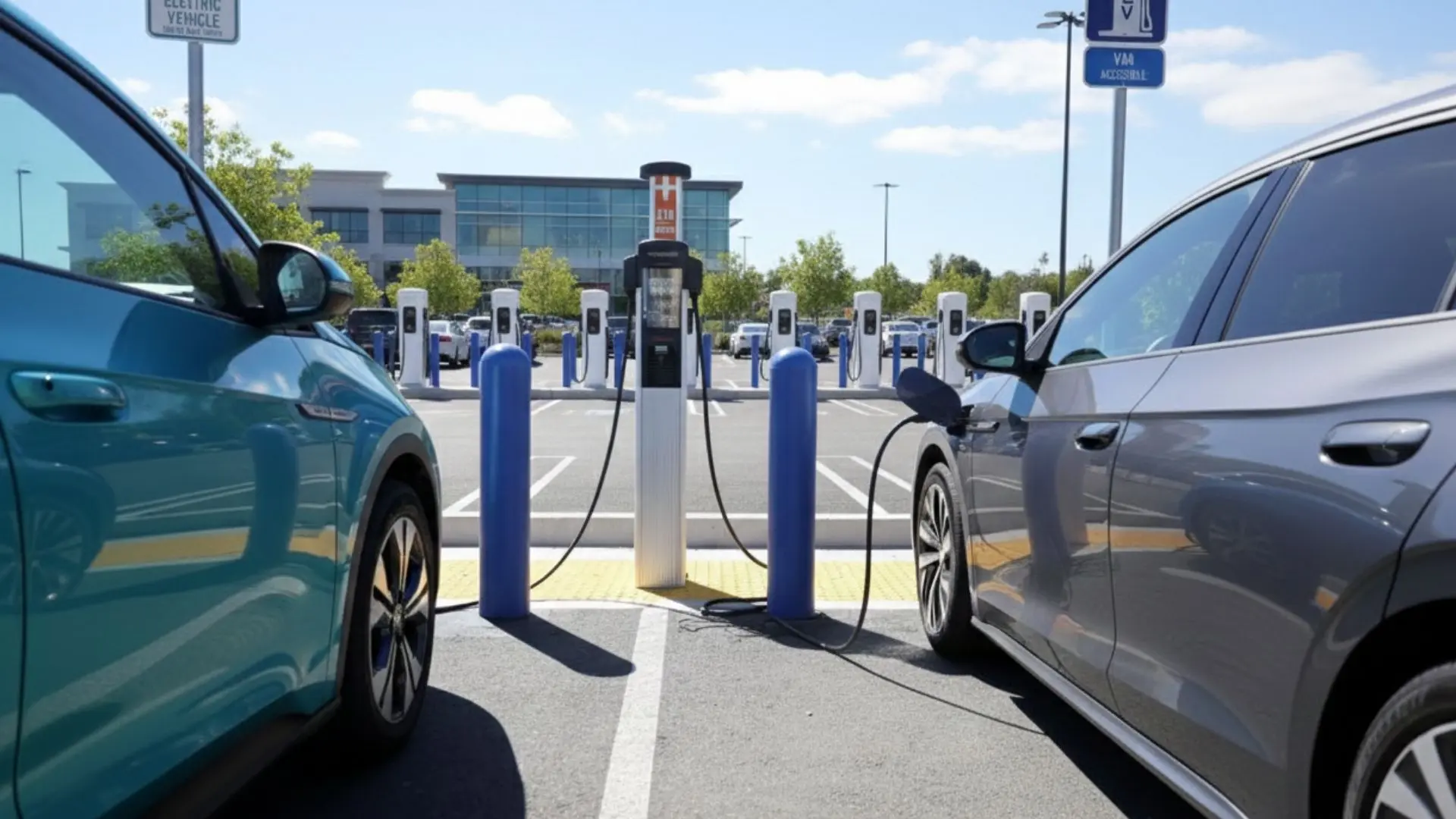
Fast Charging Stations (Level 3)
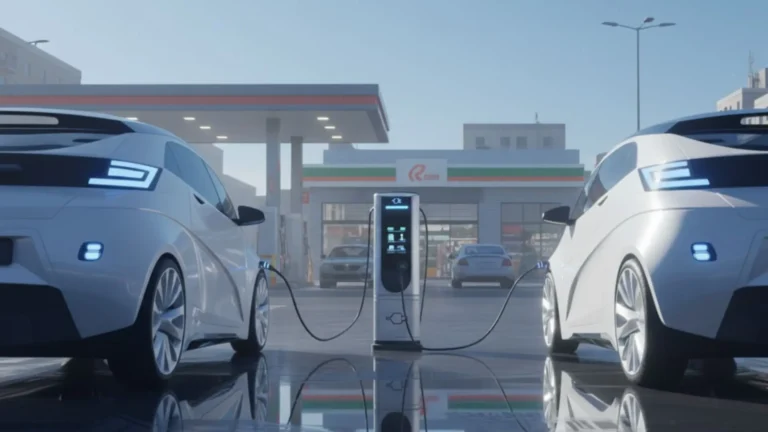
These are super-fast chargers. You find them on highways and in cities. They charge your car really quickly.
Fast charging features:
- Charges in 20-60 minutes to 80%.
- Adds 100-200 miles in 30 minutes.
- Found at highway rest stops.
- Costs more per charge.
- Great for road trips.
- Slows down after 80%.
- Not needed for daily use.
- Some can add 200 miles in 15 minutes.
How Long to Charge an Electric Car
Let’s look at actual charging times. These numbers help you plan your day.
Small Cars (Nissan Leaf, Mini Electric)
These cars have batteries around 40-50 kWh. They work great for city driving.
Charging times:
- Regular outlet: 30-40 hours
- Home charger: 6-8 hours
- Public Level 2: 4-5 hours
- Fast charger: 30-90 minutes to 80%
Medium Cars (Tesla Model 3, Chevy Bolt)
Most popular electric cars have 60-75 kWh batteries. They balance range and charging time well.
How long they take:
- Regular outlet: 45-60 hours
- Home charger: 8-11 hours
- Stronger home charger: 4-6 hours
- Fast charger: 25-75 minutes to 80%
- Super-fast charger: 20-35 minutes to 80%
Big Cars (Tesla Model S, Ford F-150 Lightning)
Large electric cars have 80-100+ kWh batteries. They go farther but take longer to charge.
Charging time needed:
- Regular outlet: Not practical
- Home charger: 11-14 hours
- Faster home charger: 6-9 hours
- Fast charger: 30-90 minutes to 80%
- Super-fast charger: 15-40 minutes to 80%
Why Charging Slows After 80%
You’ll notice something interesting. Charging gets slower after 80%. This happens for good reasons.
Your battery protects itself. Fast charging creates heat. Too much heat damages batteries. So your car slows down the charging.
Why it happens:
- Keeps battery safe.
- Prevents overheating.
- Makes battery last longer.
- Chemistry works this way.
- Safety systems activate.
- Normal for all electric cars.
- Getting to 100% takes as long as 20-80%.
Going from 80% to 100% takes a long time. Most people stop at 80% and keep driving. This saves time on trips.
Weather Changes Charging Speed
Temperature affects how long to charge an electric car. Both cold and hot weather make charging slower.
Cold Weather Problems
Winter makes charging take longer. Your battery needs to warm up first.
What happens in cold:
- Charging can take 30-50% longer.
- Battery heats itself first.
- Below freezing is worst.
- Pre-warming helps speed things up.
- Park in garage when possible.
- Some cars warm battery before you arrive.
Hot Weather Issues
Very hot days also slow charging. Your car needs to cool the battery.
Heat affects charging:
- Battery must stay cool.
- Cooling systems run during charging.
- Park in shade when you can.
- Really hot days slow things down.
- Your car manages this automatically.
Best Times to Charge
Most people charge at home overnight. This is easy and cheap.
Smart charging habits:
- Plug in every night at home.
- Charge to 80% for daily driving.
- Only go to 100% before long trips.
- Use timer to charge at night.
- Night rates cost less.
- Wake up with full battery.
- Never worry about daily charging.
Using Public Chargers
Sometimes you need to charge away from home. Here’s how to do it right.
Tips for public charging:
- Find chargers with phone apps.
- Charge while you eat or shop.
- Arrive with 10-20% battery.
- Leave at 80% to save time.
- Know backup locations.
- Fast chargers work best for trips.
- Many stores offer free charging.
- Plan stops around charging.
Charging Costs
Different charging speeds cost different amounts. Let’s break down the costs.
Price comparison:
- Home charging: Cheapest option
- Night rates: Save even more money
- Public Level 2: $1-$3 per hour
- Fast charging: $10-$20 per session
- Still cheaper than gas.
- Some places charge free.
- Monthly plans can save money.
Home charging costs about $1-$2 to add 100 miles. Fast charging costs $8-$15 for the same distance. Gas would cost $12-$20.
What’s Different From Gas Cars
Charging electric cars works differently than filling gas tanks. But different doesn’t mean worse.
Key differences:
- Gas takes 5 minutes anywhere.
- Electric charges while parked.
- Gas needs special trips.
- Electric charges at home or work.
- Gas costs the same time always.
- Electric varies by charge level.
- Gas has one way to fill.
- Electric has three charging options.
The big change is your mindset. You don’t “fill up” an electric car. You top it off whenever parked. Most owners charge at home every night. They never visit charging stations for daily driving.
Better Batteries Coming Soon
Technology keeps getting better. Future electric cars will charge even faster.
What’s coming:
- 350 kW chargers spreading everywhere.
- Better batteries charge faster.
- Some add 200 miles in 10 minutes.
- New cars accept more power.
- Wireless charging is being tested.
- Battery swapping at some places.
- Even faster speeds in development.
In a few years, charging might take just 10 minutes. That’s nearly as fast as gas stations.
Simple Charging Plan
Here’s a basic plan that works for most people. Follow these steps for easy charging.
Your charging strategy:
- Install Level 2 charger at home.
- Charge every night to 80%.
- Use fast chargers for road trips.
- Check charging apps before long drives.
- Keep battery between 20-80% daily.
- Charge to 100% only for trips.
- Find free chargers at stores.
- Join charging network programs.
This plan covers all your needs. Daily driving happens with home charging. Long trips use fast chargers. It’s simple once you start.
Common Questions Answered
Let’s clear up some common confusion about how long to charge an electric car.
Can I charge in the rain?
Yes, it’s completely safe. Chargers are weatherproof. Your car is designed for all conditions.
Should I charge every day?
Only if you need to. Many people charge every few days. Charge when you drop below 30-40%.
Will charging wear out my battery?
Normal charging is fine. Your car manages battery health. Avoid using fast charging every day. Home charging is best for battery life.
What if I can’t charge at home?
Look for workplace charging. Find apartments with chargers. Use public Level 2 stations regularly. Some people manage without home charging.
How do I know my charging speed?
Your car display shows it. Charging apps tell you too. Check your owner’s manual for maximum speeds.
Planning Long Road Trips
Road trips need a bit more planning. But they’re totally doable in electric cars.
Trip planning steps:
- Map out charging stops before leaving.
- Plan stops every 150-200 miles.
- Charge while eating meals.
- Stop at 80% and keep going.
- Have backup charger locations.
- Download charging network apps.
- Check charger status before arriving.
- Add 30-60 minutes per charging stop.
Many apps help you plan. They show charger locations and tell you if chargers are working. They estimate your charging time.
Maximizing Battery Life
Taking care of your battery helps it last longer. Good charging habits matter.
Battery care tips:
- Keep charge between 20-80% daily.
- Avoid letting it drop to 0%.
- Don’t always charge to 100%.
- Limit fast charging to trips only.
- Park in moderate temperatures.
- Use scheduled charging features.
- Let battery cool before charging after driving.
- Follow manufacturer recommendations.
Following these tips keeps your battery healthy. Most batteries last 10-15 years with good care.
Emergency Charging Situations
Sometimes you need emergency charging. Here’s what to do.
If you’re running low:
- Look for nearest fast charger.
- Even 10 minutes adds useful range.
- Many dealerships have chargers.
- Hotels often have charging.
- Ask businesses if you can plug in.
- Towing services can help.
- AAA offers charging assistance.
- Most chargers work for all brands.
Running out is rare. Most cars warn you early. They show nearby chargers automatically.
Finding Charging Stations
Charging networks keep growing. Finding chargers is easy now.
Popular charging networks:
- Tesla Supercharger (Tesla cars)
- Electrify America
- EVgo
- ChargePoint
- Blink
- Many others
Apps show all nearby chargers. They tell you if chargers are available. They show charging speeds. Some let you pay through the app.
Environmental Benefits
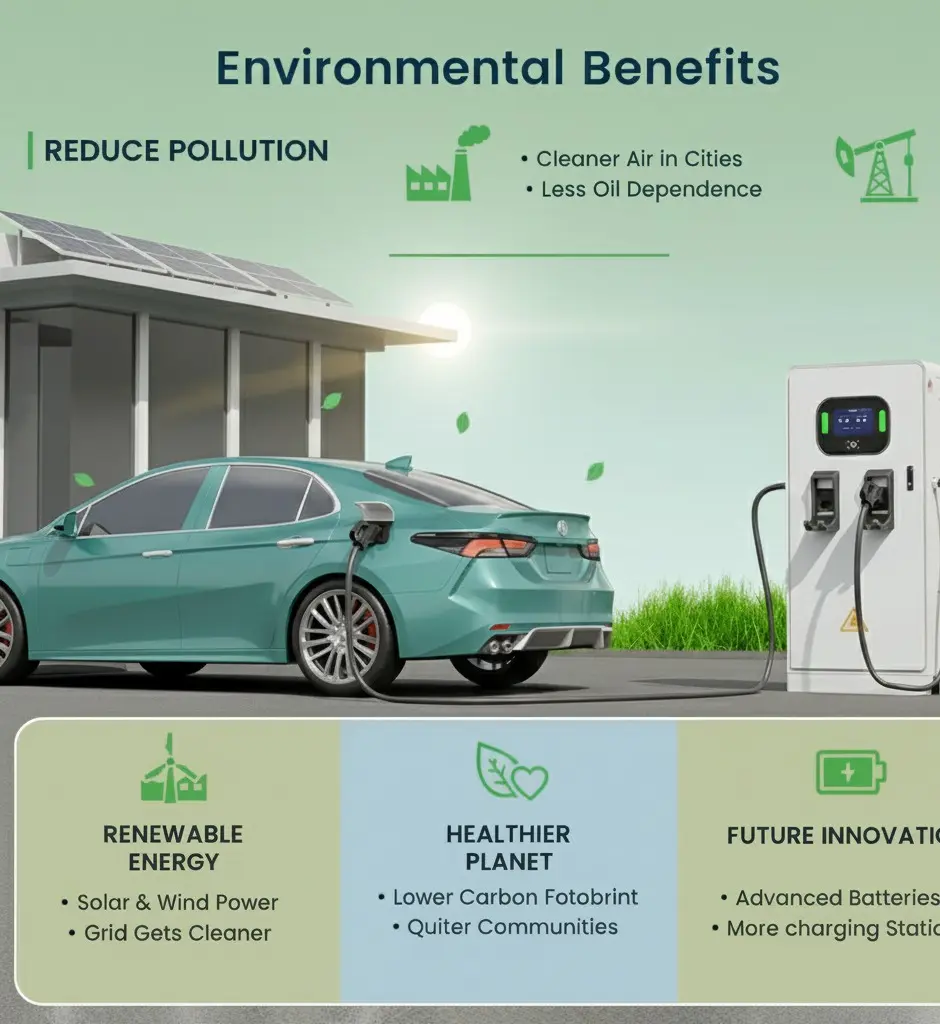
Charging electric cars helps the environment. Even with coal power plants, they’re cleaner.
Why it matters:
- Zero exhaust emissions.
- Cleaner air in cities.
- Grid gets cleaner every year.
- Solar panels make it even better.
- Reduces oil dependence.
- Quieter neighborhoods.
- Better for everyone’s health.
As more renewable energy gets added to the grid, electric cars get even cleaner.
Conclusion
Charging time ranges from 20 minutes at fast stations to 10 hours at home. But here’s the secret: you charge while doing other things. Most owners plug in at night and wake up ready to go. Daily driving never requires charging stops. Fast chargers handle road trips easily. The convenience beats gas stations once you adjust. Charging becomes as natural as charging your phone.