Hidden Dangers of Texting and Driving: Facts That Save Lives
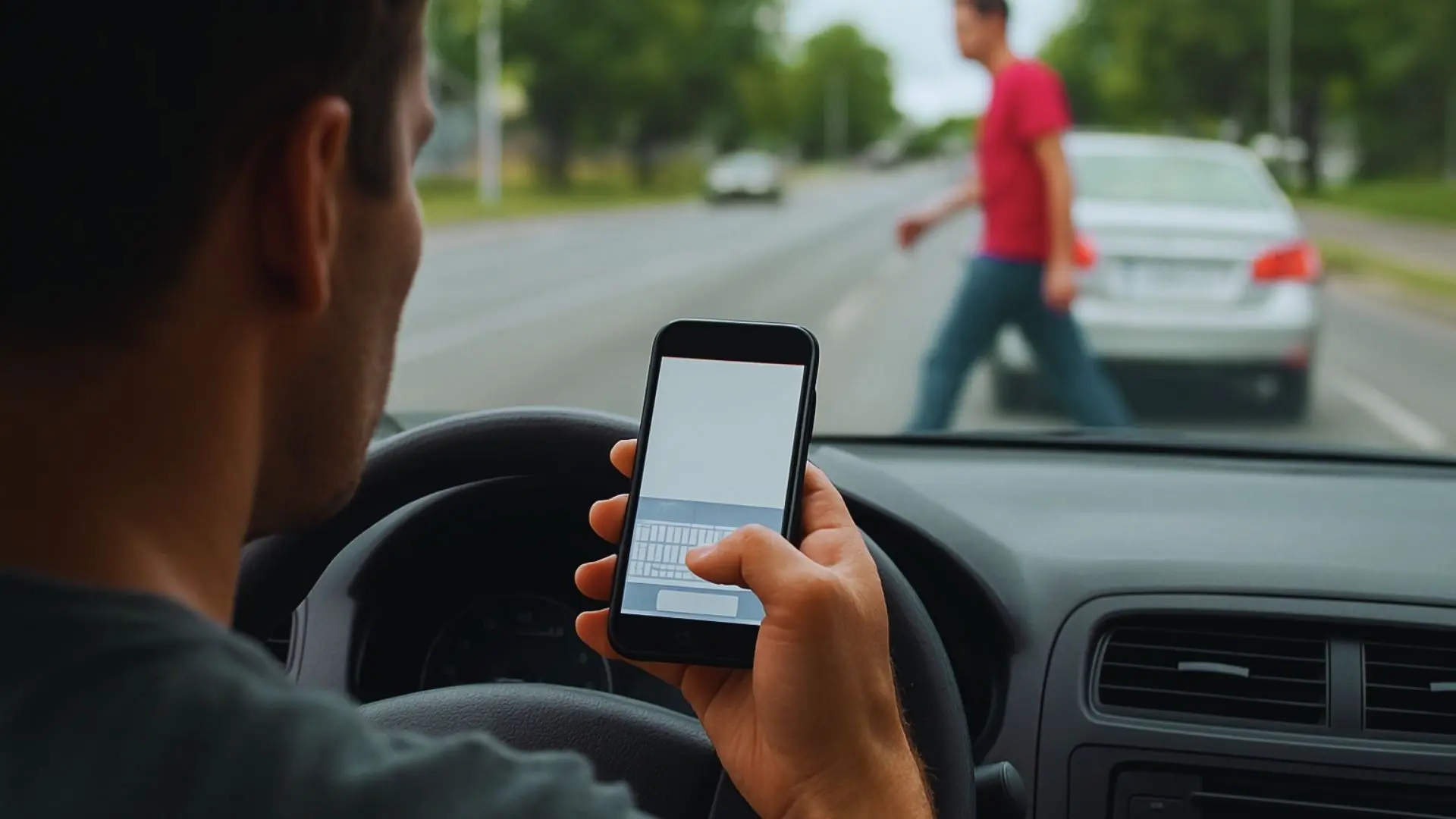
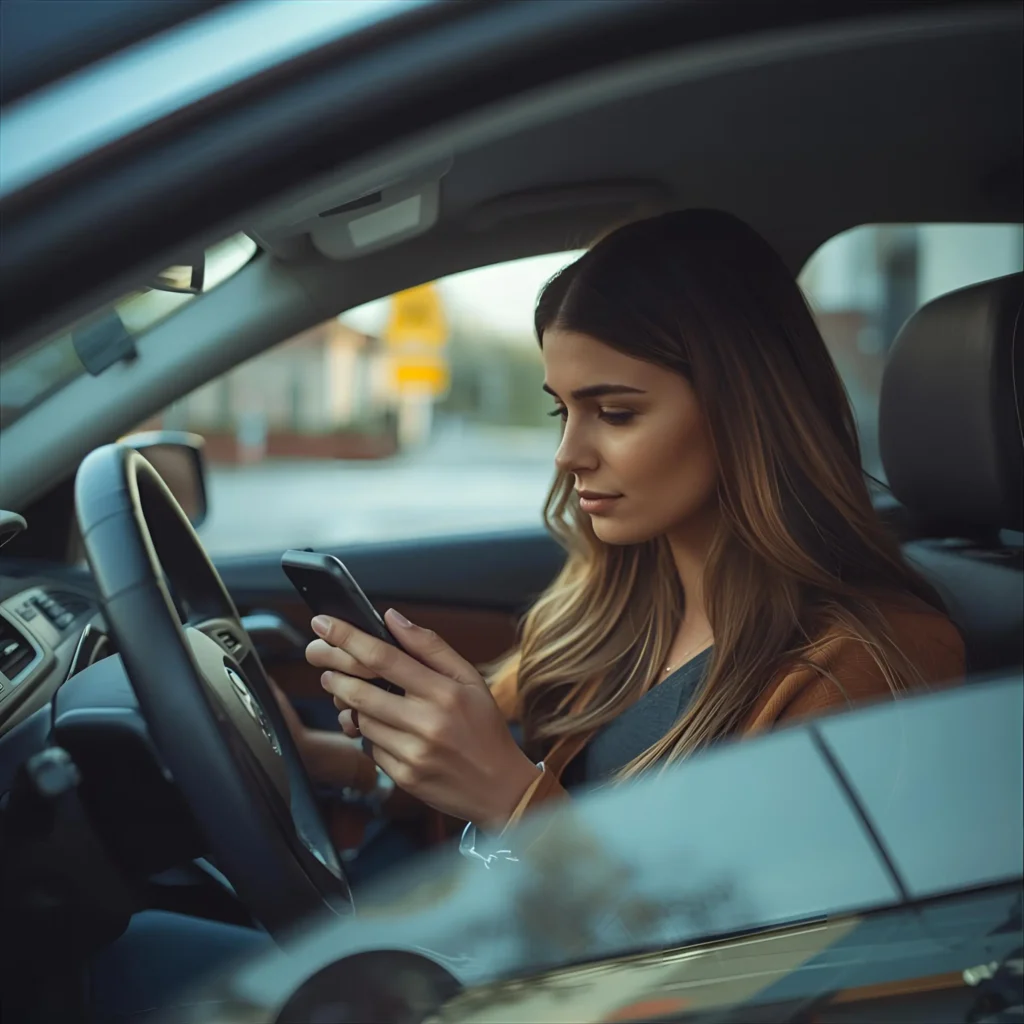
Your phone buzzes while you’re driving. You glance down for one second. That second changes everything. Texting while driving kills thousands annually. Most drivers underestimate this danger.
This guide explains why texting behind the wheel creates fatal consequences. You’ll discover facts that could save your life.
Your Brain Cannot Multitask While Driving
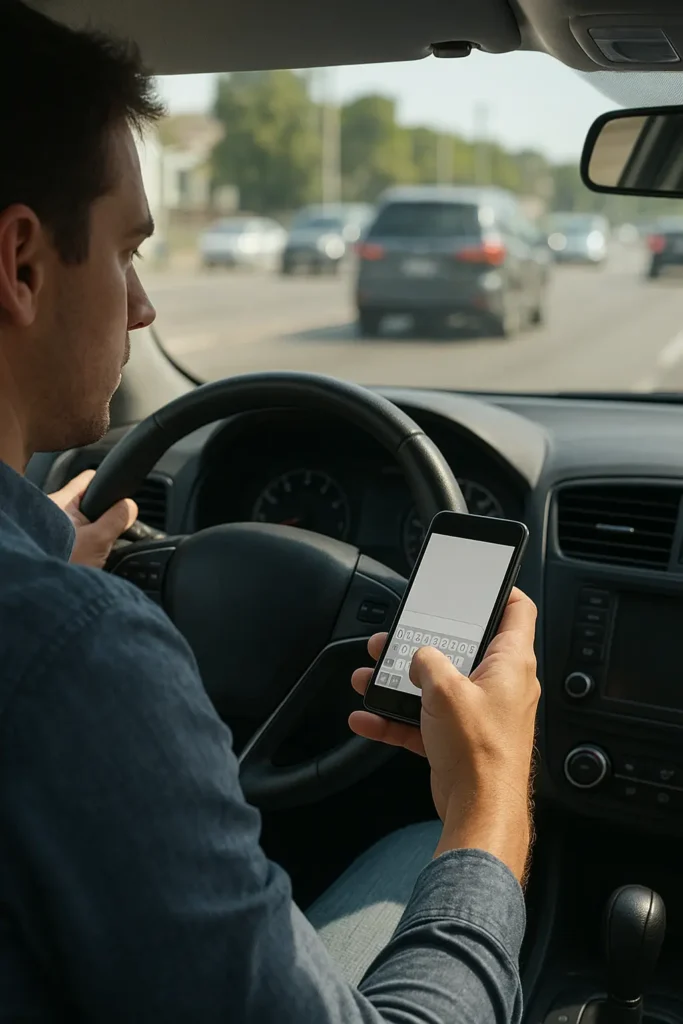
When you read a text, your mind disconnects from driving. This creates cognitive distraction. You’re physically present but mentally absent.
Brain function during texting:
- Visual processing shuts down for road hazards.
- Decision-making speed decreases significantly.
- Awareness of surroundings drops 50%.
- Reaction time matches drunk driving impairment.
- Hazard recognition becomes delayed.
Five Seconds of Blindness
Reading one text takes approximately five seconds. At 55 mph, your vehicle travels 100 yards during that time. That’s the length of a football field.
Distance traveled while texting:
- 30 mph: 220 feet without looking
- 40 mph: 293 feet without looking
- 50 mph: 367 feet without looking
- 60 mph: 440 feet without looking
- 70 mph: 513 feet without looking
Visual impairment factors:
- Eyes need 1-2 seconds to refocus after screen exposure.
- Bright screens reduce night vision adaptation.
- Small text causes eye strain affecting subsequent driving.
- Peripheral vision eliminates completely during screen focus.
Manual Control Loss
Texting requires holding your phone. One hand leaves the steering wheel. This reduces vehicle control by 40-60%.
Control limitations:
- Emergency maneuvers become impossible.
- Steering precision decreases significantly.
- Brake response delays while dropping phone.
- Body position shifts affect pedal control.
Physical complications:
- One-handed grip loosens naturally.
- Body twists into awkward positions.
- Reaction time for brake pedal increases.
- Steering wheel control relies on wrist movement only.
Risk to Other Road Users
The hidden dangers of texting and driving extend beyond the driver. Every road user faces increased risk from distracted drivers.
Vulnerable populations:
- Cyclists sharing roadways.
- Motorcyclists requiring greater visibility.
- Children near school zones.
- Emergency responders.
- Construction workers in work zones.
Secondary accident patterns:
- Sudden braking causes rear-end collisions.
- Unexpected swerving forces evasive actions.
- Chain-reaction crashes involving multiple vehicles.
- Traffic flow disruption increases overall accident risk.
Statistical Evidence
Data reveals the scope of the hidden dangers of texting and driving. These numbers represent actual incidents and fatalities.
Accident statistics:
- Texting increases crash risk by 23 times.
- 1.6 million crashes occur annually from phone use.
- 390,000 injuries happen each year.
- 25% of all accidents involve texting.
- 11 teen fatalities daily from distracted driving.
- 3,000 annual teen deaths.
- 9 daily deaths from distracted driving.
Comparative risk levels:
- Texting: 23x crash risk.
- Talking on phone: 4x crash risk
- Reaching for phone: 9x crash risk
- Dialing numbers: 12x crash risk
Teen driver patterns:
- 94% recognize the danger.
- 35% text while driving regardless.
- 4x more likely to crash than adults.
- 52% talk on phone while driving.
- 32% text regularly while driving.
Legal Consequences
Texting while driving carries serious legal penalties. Violations result in fines, criminal charges, and long-term financial impact.
Traffic violations:
- First offense: $100-$500 fine
- Second offense: $250-$1,000 fine
- Third offense: Up to $2,500 fine
- License points accumulation
- Mandatory court appearances
- Community service requirements
Criminal charges:
- Reckless driving.
- Vehicular assault for injuries.
- Vehicular manslaughter for fatalities.
- Jail sentences ranging from months to years.
Civil liability:
- Medical expenses for victims.
- Lost wages compensation.
- Pain and suffering damages.
- Punitive damages.
- Legal fees and court costs.
Psychological Impact
Fatal crashes from texting create lasting psychological trauma for at-fault drivers. Mental health consequences persist long-term.
Mental health effects:
- Clinical depression
- Anxiety disorders
- Post-traumatic stress disorder
- Panic attacks
- Persistent guilt
- Sleep disturbances
Victim impact:
- Permanent disabilities requiring lifelong care.
- Traumatic brain injuries.
- Paralysis
- Chronic pain conditions
- Economic hardship from medical costs
Technology-Based Solutions
Modern smartphones include built-in features designed to prevent the hidden dangers of texting and driving. These tools automatically activate when driving is detected.
iPhone safety features:
- Do Not Disturb While Driving mode
- Automatic activation during vehicle movement
- Complete notification blocking
- Automatic reply messages
- Emergency-only call allowance
Android safety features:
- Driving Mode functionality
- Notification suppression
- Voice command capability
- Automatic reply system
- Bluetooth integration
Third-party applications:
- DriveMode phone locking.
- LifeSaver safe driving rewards.
- TrueMotion driving assessment.
- Cellcontrol complete blocking.
Vehicle integration systems:
- Apple CarPlay
- Android Auto
- Voice-activated controls
- Steering wheel command buttons
- Head-up display technology
Why Texting Exceeds Other Distractions
Texting creates triple-threat distraction. This combination makes it more dangerous than other driver distractions.
Three distraction categories:
- Visual: Eyes leave roadway
- Manual: Hands leave steering wheel
- Cognitive: Mind disengages from driving
Texting crash factors:
- Voluntary choice increases culpability.
- Extended duration multiplies risk.
- Complex cognitive processing required.
- Perceived urgency creates pressure.
- Multiple hand movements necessary.
Prevention Methods
Eliminating texting while driving requires deliberate action. These strategies reduce temptation and maintain focus.
Pre-drive preparation:
- Activate airplane mode or power off device.
- Store phone in trunk or glove compartment.
- Enable Do Not Disturb settings.
- Inform contacts of driving schedule.
- Plan route before departure.
Behavioral strategies:
- Commit to pulling over for urgent messages.
- Use parking lots for message checking.
- Set communication expectations with contacts.
- Establish personal zero-tolerance policy.
Workplace communication:
- Discuss response time expectations with employers.
- Establish driving-related message delays.
- Advocate for company safety policies.
Teen Driver Education
Young drivers face elevated risk from the hidden dangers of texting and driving. Education and enforcement prevent teen crashes.
Parent-teen communication:
- Discuss consequences before licensing.
- Establish clear rules and expectations.
- Review statistics and crash data.
- Set graduated privilege systems.
- Monitor compliance through technology.
Teen driver rules:
- Phone must remain off during operation.
- Device stored out of reach.
- Zero-tolerance policy enforcement.
- Emergency-only exceptions.
- Privilege loss for violations.
Monitoring tools:
- Phone usage tracking applications.
- GPS location services.
- Driving behavior monitoring.
- Usage time verification.
Crash Physics and Injury Patterns
Understanding collision forces reveals the severity of texting-related crashes. Vehicle impacts create extreme physical forces.
Impact force calculations:
- At 30 mph: Body weight multiplies 30x during impact
- 150-pound occupant generates 4,500 pounds of force
- Internal organs continue forward motion
- Brain impacts skull interior
- Skeletal fractures occur from deceleration
Common injury types:
- Rib fractures with lung puncture.
- Skull fractures causing brain trauma.
- Spinal cord damage resulting in paralysis.
- Internal hemorrhaging.
- Limb and pelvic fractures.
- Whiplash neck injuries.
Vehicle damage patterns:
- Front-end structural collapse.
- Engine compartment intrusion.
- Door jamming and occupant entrapment.
- Window shattering.
- Fuel system compromise.
Trip Distance and Familiarity
Short trips present equal danger to long journeys. Proximity to home creates false security. Familiar routes reduce vigilance.
Short trip risk factors:
- Reduced caution on known routes.
- Increased distraction comfort levels.
- High pedestrian traffic in residential areas.
- Parking lot hazards.
- Backing maneuvers while distracted.
High-risk times:
- Morning commute hours.
- School pickup periods.
- Evening rush hour.
- Weekend shopping times.
Personal Commitment Framework
Addressing the hidden dangers of texting and driving requires individual dedication. Personal accountability drives behavior change.
Commitment elements:
- Absolute refusal to read texts while operating vehicle.
- Complete abstinence from composing messages during trips.
- Pre-drive phone storage protocol.
- Safety feature activation.
- Emergency stop procedures for urgent communications.
Maintaining commitment:
- Statistical awareness maintenance.
- Consequence consideration.
- Stakeholder awareness.
- Daily reinforcement.
- Temptation resistance strategies.
Conclusion
The hidden dangers of texting and driving cause thousands of annual fatalities and hundreds of thousands of injuries. Reading texts eliminates visual road awareness for five seconds minimum. Cognitive function cannot manage simultaneous texting and driving tasks. All road users face increased risk from distracted drivers. Legal consequences include criminal charges and substantial financial penalties. Technology provides prevention tools through automatic blocking features. Individual commitment to complete phone abstinence while driving prevents crashes. No message justifies risking lives.